
Shop by Category























Sort:
Sort: Best selling





Ayurvedic Medicine for Psoriasis: Ayurvedic Support for Skin Health | Sitaram Ayurveda
Ayurvedic medicine for psoriasis helps support skin health through traditional Ayurvedic formulations, external applications, and personalised lifestyle care. Sitaram Ayurveda offers Psora Herb Oil and Mahamanjishtadi Kashayam Tablets for psoriasis-related skin care. Ayurveda may complement dermatological treatment, but psoriasis has no known cure.
Psoriasis can impact more than just your skin's look. Persistent scaling, itching, and pain can affect confidence and day-to-day functioning. Sitaram Ayurveda, which has its roots in Kerala's Ayurvedic tradition since 1921, combines traditional knowledge with contemporary manufacturing techniques to promote a thoughtful approach to skin wellbeing.
What Is Psoriasis?
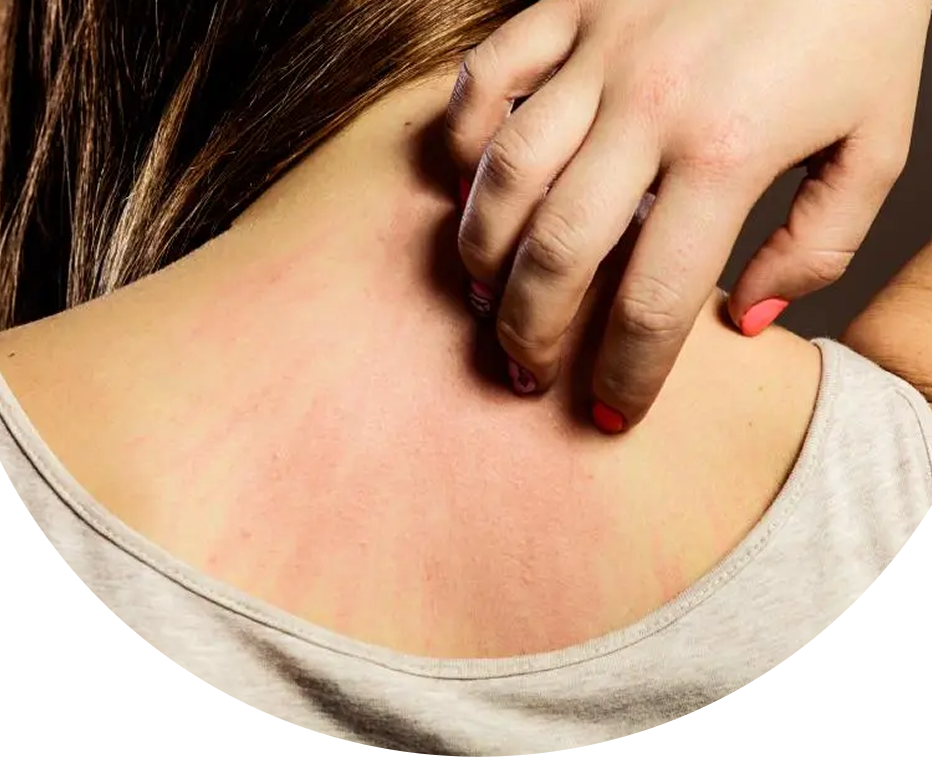
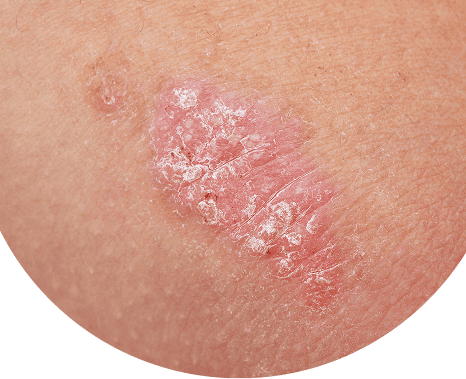
Psoriasis is a long-term autoimmune disease where the immune system produces more skin cells. Cells build up on the skin's surface as a result, giving rise to elevated areas, redness, dryness, and silvery scales. The scalp, elbows, knees, and lower back are frequently impacted areas.
Psoriasis may experience remissions and flare-ups. There is yet no recognized cure, although therapies can help control symptoms. Depending on the nature and severity of the condition, a dermatologist might suggest the best course of action.
Ayurvedic View: Kitibha and Ekakushtha
Psoriasis-like skin problems are typically classified under Kushtha (skin disorders) in Ayurveda, namely Kitibha and Ekakushtha.
-
Kitibha: Traditionally linked to scaly, rough, dry, and discolored skin.
-
Ekakushtha: Identified by characteristics including scaling and widespread skin involvement.
When creating a treatment plan, Ayurvedic practitioners take individual health condition, lifestyle, digestion, and dosha imbalance into account. These conventional classifications do not directly correspond to contemporary psoriasis diagnosis in medicine.
To learn about a traditional ghee-based formulation used in Kushtha care, read about mahatiktaka ghrita uses.
Herbs Traditionally Used in Ayurvedic Skin Care
Several herbs have a history of use in traditional Ayurvedic skin preparations:
-
Neem: Traditionally known for its skin-cleansing properties.
-
Manjistha: Commonly used in Ayurvedic formulations for skin wellness.
-
Guduchi: Traditionally included in formulations intended to support overall wellbeing.
-
Khadir: Used in classical Ayurvedic preparations for skin-related concerns.
-
Turmeric: Traditionally known for its soothing and anti-inflammatory properties.
There is insufficient clinical data to support the use of certain herbs as a treatment for psoriasis. Their appropriateness is determined by the formulation and personal requirements.
How to Choose Ayurvedic Medicine for Psoriasis
When comparing the best medicine for psoriasis in India, consider these factors:
-
Product purpose: Verify if the formulation is meant to be used orally or externally.
-
Ingredients: Examine the entire list of ingredients and look for any potential allergies.
-
Authenticity: Pick a reliable Ayurvedic brand with clear product details.
-
Expert advice: Before starting oral formulations, consult with a licensed Ayurvedic practitioner.
-
Skin compatibility: If necessary, test topical treatments on a small area first.
Which Ayurvedic Medicine Is Best for Psoriasis?
The best medicine depends on the symptoms, affected areas, and individual health requirements.
Sitaram Ayurveda has 2 best medicines for Psoriasis:
1. Psora Herb Oil: An external-use herbal oil for psoriasis and eczema-related skin care. It is used for itching, scaling, skin rejuvenation, and supporting skin health.
2. Mahamanjishtadi Kashayam Tablets: A traditional Ayurvedic formulation. It is presented as an oral herbal formulation associated with holistic skin health.
The combination pack contains Mahamanjishtadi Kashayam Tablets and Psora Herb Oil. Consult an Ayurvedic practitioner to determine whether either product is suitable for your condition.
How to Use Ayurvedic Psoriasis Products
-
Psora Herb Oil: Follow the product label and recommended external application instructions.
-
Oral formulations: Take Mahamanjishtadi Kashayam Tablets only as prescribed by a medical professional.
-
Monitor your skin: Observe any irritation, discomfort, or changes in symptoms.
-
Maintain skin hydration: Use suitable moisturisers and avoid harsh skin products. You can also explore shathadhaoutha ghrutham ointment uses for traditional external skin care.
Do not apply herbal preparations to cracked, bleeding or infected skin without medical advice.
Ayurveda should support evidence-based psoriasis treatment, not take its place. Maintain your dermatology checkups and recommended medications while talking to your healthcare doctors about any Ayurvedic items.
Why Shop From Sitaram Ayurveda?
Founded in 1921, Sitaram Ayurveda has more than a century of experience in traditional Ayurvedic healthcare. Its approach combines classical formulations with modern manufacturing and research.
Reasons to explore products include:
-
Over 100 years of Ayurvedic heritage.
-
In-house manufacturing and dedicated research and development.
-
GMP-certified manufacturing facilities.
-
A Ministry of AYUSH-approved research and development centre.
-
A psoriasis-specific collection featuring herbal skin-care products.
Shop Ayurvedic Skin Care with Sitaram Ayurveda
It takes patience, trustworthy knowledge, and expert advice to comprehend psoriasis and make the right treatment decisions. Discover more about the traditional formulations and intended uses of Sitaram Ayurveda's psoriasis range.
Frequently Asked Questions
Q1. What is the best ayurvedic medicine for psoriasis?
Mahamanjishtadi Kashayam Tablets and Psora Herb Oil are two of Sitaram Ayurveda's psoriasis products. Before selecting a formulation, speak with a skilled practitioner.
Q2. Where can I buy ayurvedic medicine for psoriasis in India?
You can explore the psoriasis collection directly on the official Sitaram Ayurveda website.
Q3. How can I buy psoriasis medicine online from Sitaram Ayurveda?
Visit the official website, open the psoriasis collection, select your preferred product, review its details and follow the checkout instructions.
Q4. Which is the best brand to buy Ayurvedic psoriasis products from?
Founded in 1921, Sitaram Ayurveda is a well-known Ayurvedic brand. It provides GMP-certified manufacturing, specialized research facilities, and conventional formulations.
Q5. Can Ayurvedic medicine for psoriasis cure the condition permanently?
No. Psoriasis is a chronic autoimmune condition with no known cure. Ayurvedic products may be considered as complementary care, but they should not replace proven medical treatments.
Q6. How does Psora Herb Oil help with psoriasis-related skin concerns?
Sitaram Ayurveda describes Psora Herb Oil as an external application for itching, scaling and skin rejuvenation associated with psoriasis and eczema.
Q7. Is psoriasis an autoimmune skin condition?
Yes. Psoriasis is an immune-mediated condition that causes skin cells to multiply faster than usual, resulting in inflammation and scaly patches.
Q8. What herbs are traditionally used for psoriasis in Ayurveda?
Ayurvedic skin care products have traditionally included neem, manjistha, guduchi, khadir, and turmeric. Depending on the formulation and specific needs, their applicability varies.
Q9. Will Ayurvedic treatment work alongside dermatological treatment?
Ayurvedic care may be explored alongside conventional treatment under professional supervision. Always inform your dermatologist about the herbs and products you use.
Q10. Why should I consider Sitaram Ayurveda for psoriasis care?
Sitaram Ayurveda blends traditional formulations, contemporary production, and research with over a century of Ayurvedic tradition. Mahamanjishtadi Kashayam Tablets and Psora Herb Oil are part of its psoriasis line.