
Shop by Category





































Sort:
Sort: Most relevant


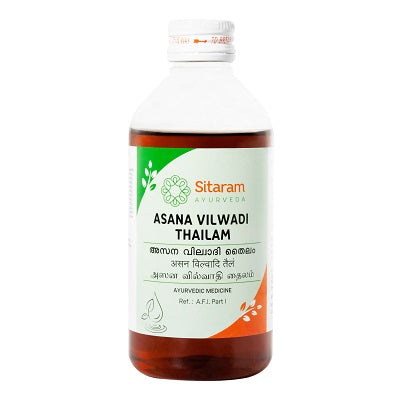


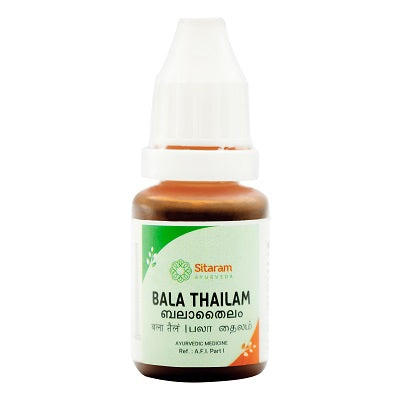





Ayurvedic Medicine for Joint Pain – Natural Support for Mobility & Comfort
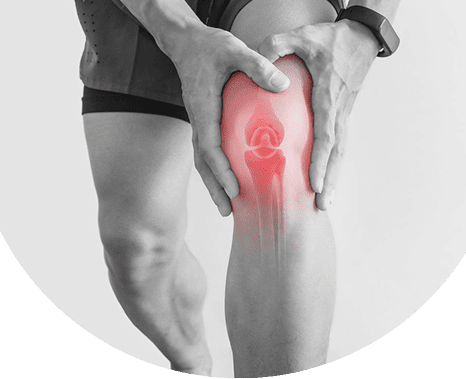
Ayurvedic medicine for joint pain focuses on balancing Vata dosha, reducing inflammation, and improving joint lubrication through herbal formulations, oils, and decoctions. Common solutions include kashayams, tailams, and tablets that support mobility, ease stiffness, and address root causes rather than just symptoms.
At Sitaram Ayurveda, healing is approached as a balance of tradition and clinical insight, where classical Ayurvedic formulations meet modern validation. Rooted in centuries-old wisdom, their joint care solutions are designed not just to relieve pain but to restore functional movement and long-term joint health.
Understanding Ayurvedic Joint Care
Ayurvedic medicine for joint pain is not a one-size solution; it is a system that looks at why the pain exists. According to Ayurveda, most joint issues are linked to an imbalance of Vata dosha, which governs movement, lubrication, and nerve function.
When Vata becomes aggravated, it can lead to:
- Dryness in joints
- Stiffness and cracking sounds
- Inflammation and restricted mobility
- Degenerative conditions like osteoarthritis
Ayurvedic formulations aim to:
- Reduce inflammation naturally
- Improve joint lubrication
- Strengthen bones, ligaments, and muscles
- Support nerve function and mobility
This is why treatments often include a combination of internal medicines (like kashayams) and external applications (like medicated oils). For supportive external therapies, many people also explore Ayurvedic Pain Relief Oil and Ayurvedic Oil for Joint Pain as part of a holistic routine.
Who Should Consider Ayurvedic Medicine for Joint Pain
This category is relevant for individuals dealing with both chronic and occasional joint concerns. You may benefit if you experience:
- Age-related joint stiffness or reduced flexibility
- Conditions like arthritis, spondylitis, or gout
- Pain from a sedentary lifestyle or long working hours
- Post-injury or post-exertion joint discomfort
- Early signs of degeneration, such as mild pain or cracked joints
Ayurvedic joint care is also suitable for those seeking long-term management instead of temporary relief, especially when looking for a holistic and gentle approach.
A Practical Buying Guide – Choosing the Right Ayurvedic Joint Care
Selecting the right Ayurvedic medicine depends on your symptoms, lifestyle, and stage of discomfort. Here’s how to approach it:
1. For Chronic Joint Pain & Inflammation
Formulations that work deeply on Vata imbalance are often recommended.
Maharasnadi Kashayam
- Traditionally used for arthritis, spondylitis, and inflammatory conditions
- Helps reduce swelling and stiffness
- Supports nerve function and joint mobility
This type of formulation is ideal for long-standing joint issues where inflammation and restricted movement are present. For complementary support, external applications from the Pain Relief Oil Collection may also help improve comfort and flexibility.
2. For Lower Back Pain & Vata-Related Discomfort
When joint pain is accompanied by digestive imbalance or lower back congestion, broader systemic formulations are useful.
Gandharvahastadi Kashayam
- Supports circulation and relieves lower back discomfort
- Helps in reducing congestion in the pelvic and lumbar regions
- Also works on gut health, which Ayurveda considers essential for managing Vata
This is suitable when joint pain is linked with stiffness, bloating, or sluggish digestion.
3. For Mobility, Strength & Long-Term Support
Look for formulations that combine anti-inflammatory herbs with rejuvenating ingredients.
Key herbs often found in these formulations include:
- Rasna – supports joint flexibility
- Ashwagandha – strengthens muscles and reduces stress
- Ginger – reduces inflammation and improves circulation
- Bala – supports tissue strength
Individuals combining internal and external care often use supportive formulations from Ayurvedic Oil for Knee Pain for localized discomfort and mobility support. Together, these help restore structural strength and improve movement over time.
Who Should Use These Products
Ayurvedic joint care products are typically used by:
- Adults with chronic joint pain
- Individuals recovering from musculoskeletal strain
- Elderly individuals seeking improved mobility
- People with Vata-dominant body types prone to dryness and stiffness
They are also considered suitable for long-term use under proper guidance, as they are designed to support gradual healing rather than immediate suppression of symptoms.
How to Use Ayurvedic Medicine for Joint Pain
Usage varies depending on the formulation, but general guidelines include:
Internal medicines (Kashayam / Tablets):
- Usually taken on an empty stomach
- Mixed with warm water for better absorption
- Consistency is key to visible results
External therapies (if included):
- Applied as medicated oils
- Followed by a gentle massage to improve circulation
For example, kashayam formulations are often taken twice daily with water as directed by practitioners.
Always consult an Ayurvedic physician for personalized dosage and combinations.
Why Choose Sitaram Ayurveda
Sitaram Ayurveda stands out for its integrated approach, combining classical formulations with scientific validation.
- Formulations rooted in authentic Ayurvedic texts
- In-house R&D and clinical validation processes
- Herbs sourced and processed with strict quality control
- Manufactured in certified, regulated facilities
- Backed by Ayurvedic doctors and multidisciplinary experts
This ensures that products are not only traditional but also relevant for modern health concerns. Alongside joint wellness, the brand also offers holistic categories such as Ayurvedic Hair Oil and Ayurvedic Hair Oil for Hair Growth, reflecting Ayurveda’s whole-body wellness philosophy.
Disclaimer: This content is for informational purposes only and is not a substitute for professional medical advice. Always consult your healthcare provider.
Frequently Asked Questions
Q1. What is the best Ayurvedic medicine for joint pain?
Formulations like Maharasnadi Kashayam are widely used for managing arthritis and inflammation, as they target Vata imbalance and support joint mobility.
Q2. How does Ayurveda treat joint pain differently?
Ayurveda focuses on correcting the root cause, mainly Vata imbalance, rather than just relieving symptoms, leading to long-term benefits.
Q3. Can Ayurvedic medicine reduce inflammation in joints?
Yes, many Ayurvedic herbs like ginger and rasna have natural anti-inflammatory properties that help reduce swelling and pain.
Q4. Is Ayurvedic treatment safe for long-term use?
Most Ayurvedic formulations are designed for sustained use, but it is advisable to follow expert guidance for best results.
Q5. How long does Ayurvedic medicine take to work for joint pain?
Results vary, but consistent use over weeks is typically needed as Ayurveda works gradually to restore balance.
Q6. Where can I buy authentic Ayurvedic medicine for joint pain?
You can purchase directly from the official Sitaram Ayurveda website or authorized retailers to ensure authenticity.
Q7. How do I choose the right product for my condition?
Consider your symptoms, chronic inflammation, stiffness, or digestive imbalance, and consult an Ayurvedic expert for personalized advice.
Q8. Can I take Ayurvedic medicine with allopathic treatment?
In many cases, yes, but it is best to consult both practitioners to avoid interactions.
Q9. Are these medicines suitable for elderly people?
Yes, especially for age-related joint degeneration, as they support mobility and reduce stiffness gently.
Q10. Which is the best Ayurvedic brand for joint care?
Sitaram Ayurveda is known for combining classical Ayurvedic knowledge with modern research, making it a reliable choice for joint care solutions.