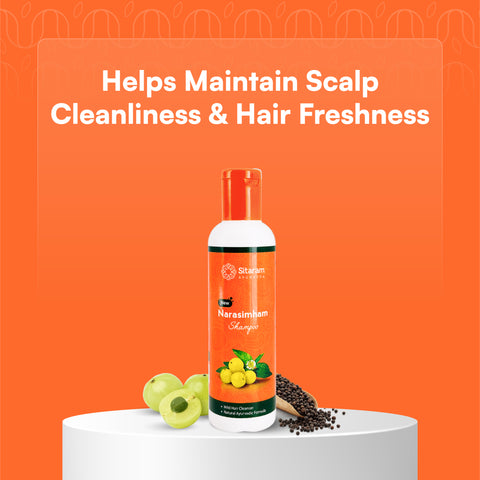
Hair care steps include oiling the scalp, cleansing gently, conditioning regularly, nourishing the roots, protecting hair from daily damage, maintaining proper nutrition, and following a consistent routine. When practiced correctly and consistently, these steps help improve scalp health, reduce hair fall, and support long-term hair strength and growth.
Following the right hair care steps is essential if you want healthier, stronger, and more manageable hair. Many people experience concerns such as hair fall, dryness, thinning, or lack of shine because their routine is either inconsistent or incomplete. Inspired by traditional approaches such as those followed by Sitaram Ayurveda, a balanced routine focuses not only on external care but also on nourishing the scalp and supporting the body internally. The right approach can transform hair quality over time when practiced with patience and consistency.
Why Following the Right Hair Care Steps Matters
Hair health is influenced by multiple factors, and understanding this is the first step toward improvement. A proper routine ensures that your scalp remains healthy, your hair strands stay nourished, and your overall hair cycle functions effectively.
The scalp is the foundation of healthy hair. When it is clean, balanced, and well-nourished, it creates an ideal environment for hair growth. On the other hand, neglecting scalp care can lead to issues such as dandruff, irritation, and weakened roots.
In addition to external care, internal health also plays a crucial role. Stress, poor diet, and lack of nutrients can weaken hair from within. This is why effective hair care steps focus on a combination of external treatments and internal support.
A well-structured routine helps to
-
maintain the natural oil balance of the scalp
-
prevent buildup and irritation
-
strengthen hair roots and reduce breakage
-
improve texture and manageability
-
support long term hair growth
When these elements are addressed together, the results are more sustainable and noticeable.
The 7 Essential Hair Care Steps
Step 1: Scalp Oiling
Scalp oiling is one of the most important hair care steps and forms the base of a strong routine. Regular oiling improves blood circulation and allows nutrients to reach the hair roots effectively.
A powerful example is Narasimham Hair Oil, a traditional formulation enriched with herbs like amla and bhringraj. This type of oil works by revitalizing scalp cells and supporting the natural growth phase of hair
Regular oiling can
-
strengthen hair roots
-
reduce dryness and breakage
-
promote thicker and healthier hair
-
improve scalp hydration
Step 2: Gentle Cleansing
Cleansing is necessary to remove dirt, excess oil, and product buildup from the scalp. However, using harsh shampoos or washing too frequently can strip away natural oils and weaken hair over time.
A gentle cleanser helps maintain the natural balance of the scalp while still keeping it clean. It is important to focus on the scalp while washing rather than the entire length of the hair.
Proper cleansing helps to
-
Keep the scalp fresh and clean
-
Prevent buildup that can clog hair follicles
-
Maintain natural moisture levels
-
Support healthier hair growth
Finding the right washing frequency based on your hair type is essential for maintaining balance.
Step 3: Conditioning and Hydration
Conditioning is a key step in maintaining hair softness and strength. It helps restore moisture lost during washing and protects the hair from dryness and damage.
Applying conditioner to the mid lengths and ends ensures that the hair remains smooth and manageable without making the scalp greasy. Proper hydration also reduces frizz and improves overall texture.
Benefits of conditioning include
-
Improved softness and shine
-
Reduced tangling and breakage
-
Better manageability
-
Protection against environmental damage
Regular conditioning keeps the hair healthy and easier to maintain.
Step 4: Scalp Nourishment and Treatment
Beyond oiling and cleansing, the scalp requires targeted nourishment to address specific concerns. Treatments such as tonics or natural scalp solutions can help improve scalp health and strengthen hair roots.
This step is particularly important for individuals dealing with dandruff, itching, or hair thinning. Providing consistent nourishment ensures that the scalp remains balanced and healthy.
Scalp treatments can help to
-
Soothe irritation and dryness
-
Strengthen hair follicles
-
Improve overall scalp condition
-
Support better hair growth
A healthy scalp is essential for strong and resilient hair.
Step 5: Protection from Damage
Hair is constantly exposed to external stress factors that can weaken it over time. Heat styling tools, pollution, and harsh weather conditions can all contribute to damage.
Protecting your hair from these factors is an important part of any routine. Simple changes in daily habits can make a significant difference.
Protective measures include
-
Reducing the use of heat styling tools
-
Avoiding tight hairstyles that strain the roots
-
Covering hair in extreme weather conditions
-
Handling hair gently to prevent breakage
Consistent protection helps maintain hair strength and prevents long-term damage.
Step 6: Nutrition and Internal Support
Hair health is closely linked to overall nutrition. Without the right nutrients, hair can become weak, brittle, and prone to falling out.
A balanced diet supports hair growth and strengthens the roots from within. Essential nutrients play a key role in maintaining healthy hair. Just as Ayurvedic Medicine For Joint Pain relies on internal balance to reduce inflammation, hair health relies on systemic nourishment.
Important nutrients include
-
protein for building hair structure
-
iron for preventing hair fall
-
vitamins for maintaining scalp health
-
healthy fats for improving shine and strength
Focusing on internal health ensures that the hair receives the support it needs to grow strong and healthy.
Step 7: Consistency and Weekly Care
Consistency is the most important factor in achieving long term results. Irregular care can lead to inconsistent outcomes, while a steady routine supports gradual improvement.
A weekly routine can include
-
oil massage for deep nourishment
-
conditioning treatments for hydration
-
scalp treatments for maintaining balance
Regular care ensures that the hair remains healthy and continues to improve over time.
Common Mistakes That Affect Hair Care Steps
Many common habits can negatively impact hair health. Being aware of these mistakes can help you avoid unnecessary damage. Learning how to take care of hair properly involves avoiding these pitfalls.
Common mistakes include
-
washing hair too frequently or not enough
-
using products that are not suitable for your hair type
-
skipping essential steps such as oiling or conditioning
-
relying only on external products without focusing on nutrition
-
excessive use of heat styling tools
Avoiding these mistakes can significantly improve the effectiveness of your hair care routine. For those undergoing specialized procedures, specialized post hair transplant care is also crucial to avoid damage.
How to Customize Hair Care Steps for Different Hair Types
Each individual has a unique hair type, and the routine should be adjusted accordingly to achieve the best results.
-
For oily hair, lighter products and regular cleansing help maintain balance.
-
For dry hair, richer nourishment and deep conditioning are more effective.
-
For hair fall concerns, focusing on scalp health and internal nutrition is essential.
A dedicated hair care routine for wavy hair can help define texture while providing the right amount of moisture. Understanding your hair type allows you to choose the right products and techniques, leading to better outcomes.
Why a Holistic Approach to Hair Care Works Better
A holistic approach focuses on long-term improvement rather than temporary results. It considers both external care and internal health to create a balanced routine.
This approach emphasizes
-
addressing root causes instead of symptoms
-
maintaining scalp balance
-
supporting overall well-being
-
ensuring consistency in care
Over time, this leads to stronger, healthier, and more resilient hair. Much like using a specialized Pain Relief Oil or Ayurvedic Pain Relief Oil for bodily aches, targeted herbal oils address the root of scalp issues.
Recommended Daily and Weekly Routine
A simple and consistent routine can make a significant difference in hair health. Just as using an Ayurvedic Oil For Joint Pain or Ayurvedic Oil For Knee Pain requires regular application to be effective, hair care demands discipline.
-
Daily care can include gentle cleansing when required, light nourishment, and protection from damage.
-
Weekly care can include oiling, deep conditioning, and scalp treatments. Following this routine regularly helps maintain balance and prevent common hair concerns.
Final Thoughts
Healthy hair is the result of consistent care, proper nourishment, and mindful habits. Following the right hair care steps allows you to build a routine that supports long-term strength and resilience.
Instead of relying on quick fixes, focusing on a structured and balanced approach helps achieve lasting results. With patience and consistency, noticeable improvements in hair quality can be achieved.
Begin Your Hair Care Routine with Confidence
Choosing the right products plays an important role in achieving healthy hair. Sitaram Ayurveda offers carefully formulated solutions such as herbal oils and gentle cleansers that work on strengthening hair from the roots while supporting overall scalp health.
For example, traditional formulations like Narasimham Hair Oil are designed to nourish the scalp, improve hair growth, and maintain natural hair strength through herbal ingredients and time tested processes
Incorporating such products into your routine can help you achieve stronger, healthier, and more balanced hair over time.
Disclaimer: This content is for informational purposes only and is not a substitute for professional medical advice. Always consult your healthcare provider.
Frequently Asked Questions
Q1. How often should I follow hair care steps?
Hair care steps should be followed consistently. Basic steps such as cleansing and conditioning can be done multiple times a week, while oiling and deeper treatments can be done once or twice weekly depending on your hair type.
Q2. How long does it take to see results from a hair care routine?
Results vary from person to person, but noticeable improvements generally take a few weeks to a few months. Consistency and proper nutrition play a key role in achieving visible changes.
Q3. Can proper hair care steps reduce hair fall?
Yes, following a structured routine improves scalp health and strengthens hair roots, which can help reduce hair fall over time.
Q4. Can I avoid conditioning if I oil my hair regularly?
Oiling and conditioning serve different purposes. While oiling nourishes the scalp, conditioning helps maintain moisture and smoothness in the hair strands. Both are important.
Q5. Is daily hair washing harmful?
For most people, daily washing can strip natural oils and lead to dryness. It is better to wash hair based on your hair type and lifestyle.
Q6. Will improving my diet help my hair?
Yes, a balanced diet provides essential nutrients that support hair growth and strength. Internal health is closely linked to hair condition.
Q7. What is the most important step in hair care?
Scalp care is often considered the most important step because healthy roots lead to stronger and healthier hair.
Q8. Why is consistency important in hair care?
Hair growth and repair take time. Consistent care ensures that the scalp and hair receive regular nourishment, leading to better and long lasting results.