Post hair transplant care involves protecting the newly implanted grafts, maintaining scalp hygiene, avoiding physical strain, and following a gentle routine for at least the first few weeks. Most healing occurs within a month, while visible hair growth begins after three to four months and improves steadily over time.
Post hair transplant care plays a crucial role in determining how successful your procedure will be. The first few weeks are especially important, as the grafts are delicate and still settling into the scalp. Along with medical guidance, many people also explore gentle, natural hair care options from brands like Sitaram Ayurveda to support scalp comfort and long-term hair health. When done correctly, aftercare helps reduce complications, improve healing, and ensure fuller and more natural-looking results.
Why Post-Hair Transplant Care Is So Important
After a hair transplant, your scalp enters a healing phase where each graft needs time to establish a blood supply. This process is highly sensitive, and even small mistakes can affect the outcome.
Proper care ensures that grafts remain intact and grow successfully. It also reduces inflammation, minimizes discomfort, and lowers the risk of infection. Without adequate care, patients may experience uneven growth, delayed healing, or even permanent graft loss.
From a long-term perspective, aftercare also influences hair quality. Healthy follicles produce stronger and thicker strands, which ultimately define the success of the transplant. This is why experts consistently emphasize that the procedure is only one part of the journey, while aftercare completes it.
Post Hair Transplant Care Timeline
Understanding the recovery process helps you manage expectations and avoid unnecessary stress.
- First three days: During this period, the grafts are extremely fragile. You should avoid touching your scalp, keep your head elevated while sleeping, and stay away from any activity that may cause sweating.
- Days four to ten: This is when scabs begin to form and gradually fall off. Gentle washing can usually start during this stage. It is important to be patient and allow the scalp to heal naturally.
- Weeks two to four: Many patients experience shedding of transplanted hair, commonly known as shock loss. This is a normal part of the cycle and does not indicate failure.
- Months two to six: New hair begins to grow from the transplanted follicles. Initially, it may appear thin, but it gradually thickens over time.
Detailed Care by Recovery Phase
First 24 to 72 Hours
This is the most critical stage. The grafts are newly implanted and need complete protection.
- Keep your scalp untouched and avoid any friction
- Sleep in an elevated position to reduce swelling
- Avoid sun exposure and stay indoors as much as possible
- Follow all medications prescribed by your doctor
Day Four to Ten
At this stage, healing becomes more visible.
- Begin washing your hair gently using the recommended techniques
- Allow scabs to fall off naturally without picking
- Avoid strong water pressure or harsh products
Week Two to Four
This stage can feel concerning due to hair shedding.
- Understand that shedding is temporary
- Do not attempt any treatments to stop it prematurely
- Focus on maintaining a clean and calm scalp environment
Month Two to Six
Hair regrowth becomes noticeable.
- Continue a consistent care routine
- Support growth with proper nutrition
- Avoid stress and maintain overall health
Essential Do’s and Don’ts After Hair Transplant
Do’s
- Follow your doctor’s instructions carefully
- Maintain scalp hygiene with gentle cleansing
- Consume a balanced diet rich in protein and vitamins
- Stay hydrated throughout the day
- Use mild and soothing hair care products
Don’ts
- Avoid touching or scratching your scalp
- Do not smoke or consume alcohol during early recovery
- Avoid intense physical activities and sweating
- Stay away from tight headwear
- Do not expose your scalp to direct sunlight
Best Hair Care Routine After Hair Transplant
Importance of Gentle Care
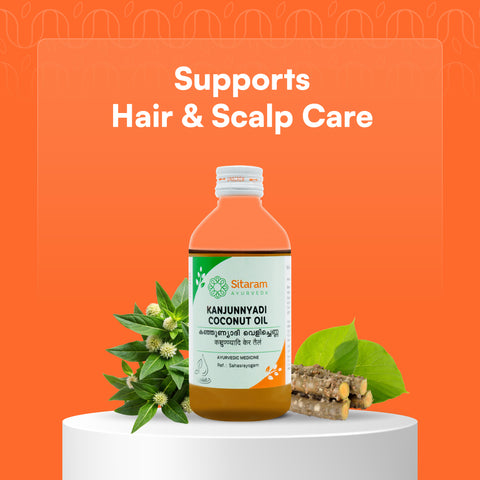
The scalp is highly sensitive after a transplant, and using aggressive products can disrupt healing. A gentle approach helps maintain the scalp’s natural balance and protects the newly implanted follicles. Using mild and nourishing formulations such as Ayurvedic Hair Oil after the recovery phase may help support scalp nourishment and overall hair wellness naturally.
Role of Natural and Ayurvedic Support
Many individuals prefer incorporating natural solutions into their routine to complement medical care. Herbal oils and mild cleansers can help soothe the scalp, reduce dryness, and support overall hair strength. You can also explore the benefits of traditional herbs through this guide on Ayurvedic Hair Oil Ingredients to better understand how natural ingredients support scalp health and recovery.
Products from Sitaram Ayurveda are designed with traditional formulations that focus on nourishment and scalp health. Such approaches can be especially useful once the initial healing phase is complete and the scalp is ready for supportive care.
Common Mistakes That Can Affect Results
Several avoidable mistakes can compromise your transplant outcome.
- Washing hair too aggressively or too early
- Ignoring professional advice
- Using chemical-based or harsh products
- Exposing the scalp to dust, pollution, or sunlight
- Neglecting diet and hydration
Being mindful of these factors can significantly improve your overall results.
Expert Tips to Boost Hair Growth
A few additional practices can help enhance your results.
- Maintain a nutrient-rich diet, including proteins and minerals
- Ensure adequate sleep for recovery and regeneration
- Manage stress levels, as it directly affects hair health
- Introduce gentle scalp massage only after complete healing
- Stay consistent with your routine without switching products frequently
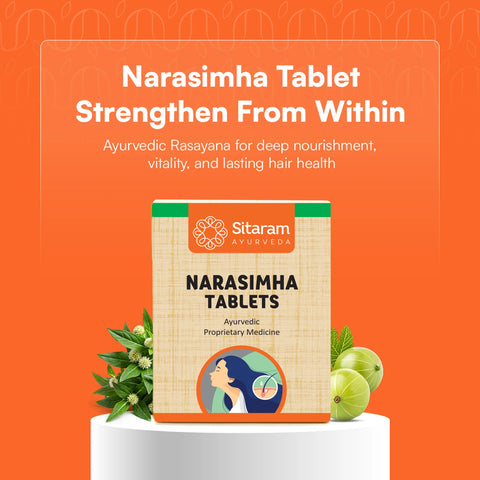
Many individuals also prefer using Ayurvedic Tablets For Hair Growth as part of a more holistic hair wellness approach.
Why Ayurvedic Hair Care Complements Recovery
Ayurveda emphasizes balance and nourishment at the root level. After a transplant, this approach can help maintain scalp health and strengthen hair over time.
Natural formulations often focus on improving circulation, supporting follicle strength, and maintaining hydration. When combined with proper medical guidance, this creates a well-rounded recovery plan that supports both short-term healing and long-term hair quality. You may also find this guide on Ayurvedic Medicine for Hair Loss useful for understanding natural approaches to stronger and healthier hair.
Final Thoughts
Post hair transplant care requires patience, consistency, and attention to detail. While the procedure lays the foundation, your daily habits determine the outcome. By following a structured routine and avoiding common mistakes, you can ensure healthy healing and long-lasting results.
Support Your Hair Recovery the Natural Way
For those looking to enhance their recovery with gentle and holistic care, exploring the hair care range from Sitaram Ayurveda can be a valuable step. Their formulations are rooted in traditional knowledge and designed to support scalp nourishment and long-term hair health. Choosing the right care today can make a lasting difference in your results.
Disclaimer: This content is for informational purposes only and is not a substitute for professional medical advice. Always consult your healthcare provider.
Frequently Asked Questions
Q1. How should I sleep after a hair transplant?
You should sleep on your back with your head elevated for at least one week. This helps reduce swelling and prevents accidental contact with the grafts.
Q2. Can I wash my hair after a hair transplant?
Yes, but only after a few days, as advised by your doctor. Use a gentle method and avoid rubbing or applying pressure.
Q3. Is itching normal after a hair transplant?
Mild itching is a normal part of healing. However, scratching should be avoided as it can damage the grafts.
Q4. Will transplanted hair fall out?
Yes, temporary shedding occurs within the first few weeks. This is a natural phase, and new hair growth will follow.
Q5. What should I avoid after a hair transplant?
You should avoid sun exposure, sweating, smoking, alcohol, and harsh hair products during the early recovery phase.
Q6. Why is post hair transplant care important?
It ensures graft survival, prevents complications, and improves the overall success and appearance of the transplant.
Q7. How long does it take to see full results?
Initial growth begins around three to four months, while full results are typically visible after nine to twelve months.
Q8. Can I use oil after a hair transplant?
You can use oil only after the scalp has healed completely and with proper guidance. Using it too early may interfere with recovery.