
Shop by Category


































Sort:
Sort: Most relevant


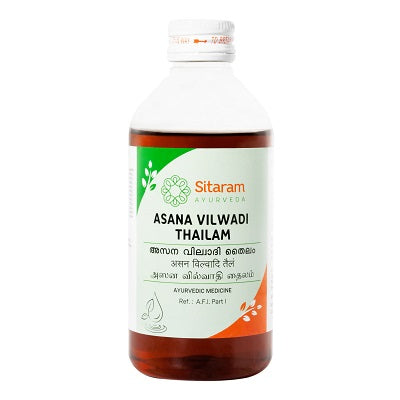





Ayurvedic Medicine for Joint Pain - Traditional Support for Mobility and Comfort
Ayurvedic medicine for joint pain includes traditional herbal formulations, kashayams and medicated oils explore ayurvedic oil for joint pain used to manage discomfort and support everyday mobility. Ayurveda views many joint-related concerns through the lens of Vata dosha, which is associated with movement and dryness. The choice of formulation depends on the individual's symptoms, health history and underlying condition.
At Sitaram Ayurveda, joint care draws on classical Ayurvedic knowledge and carefully developed formulations. The range includes traditional preparations such as Maharasnadi Kashayam and Gandharvahastadi Kashayam. These products are intended to complement an appropriate care routine, not replace medical assessment or prescribed treatment.
How Does Ayurveda Approach Joint Pain?
In Ayurveda, joint discomfort is often associated with an imbalance of Vata dosha read more about vayu gulika uses in Vata-related concerns. Traditional Ayurvedic descriptions may connect this imbalance with dryness, stiffness, cracking sounds and restricted movement.
Ayurvedic practitioners consider several factors when assessing joint concerns, including:
-
The location and nature of the discomfort.
-
Stiffness and changes in mobility.
-
Age, daily activity and lifestyle.
-
Digestion and other individual health factors.
Depending on the assessment, an Ayurvedic care plan may include internal formulations, external oil applications and lifestyle recommendations learn about other ayurvedic treatments. These approaches are based on traditional practice; they should not be considered proven treatments for joint inflammation or degenerative conditions.
Who May Consider Ayurvedic Support for Joint Discomfort?
Adults experiencing occasional or persistent joint stiffness may wish to discuss Ayurvedic care with a qualified practitioner. This may include people dealing with:
-
Age-related stiffness or reduced flexibility.
-
Discomfort associated with arthritis or spondylitis.
-
Joint strain after physical activity.
-
Stiffness linked to prolonged sitting or limited movement.
-
Recurring discomfort that affects everyday activities.
Joint pain can have several causes, so identifying the underlying condition is important. Persistent, worsening or unexplained pain should be assessed by a healthcare professional before starting a new treatment.
Which Ayurvedic Formulations Are Used for Joint Pain?
The right formulation depends on the individual's symptoms and health assessment. Two traditional kashayams in the Sitaram Ayurveda range include:
Maharasnadi Kashayam for Joint-Related Concerns
Maharasnadi Kashayam is a traditional Ayurvedic decoction used in formulations for musculoskeletal complaints. It may be considered by practitioners when assessing joint stiffness and discomfort. Its suitability depends on the individual's condition and medical history.
Gandharvahastadi Kashayam for Vata-Related Discomfort
Gandharvahastadi Kashayam is a classical formulation traditionally used in Ayurvedic practice for certain Vata-related concerns. A practitioner may consider it when digestive symptoms and musculoskeletal discomfort occur together. It should not be assumed to improve circulation or treat lower back conditions without clinical evidence.
Herbs Traditionally Used in Ayurvedic Joint Care
Several herbs appear in traditional Ayurvedic formulations for musculoskeletal wellness:
-
Rasna: Traditionally used in formulations for joint and muscular discomfort.
-
Ashwagandha: Used in Ayurveda as a rejuvenating herb.
-
Ginger: Traditionally included in formulations for digestive and general wellness.
-
Bala: Used in classical preparations associated with strength and nourishment.
The presence of an individual herb does not establish that a formulation can treat arthritis, inflammation or joint degeneration.
How Should Ayurvedic Medicine for Joint Pain Be Used?
The method of use depends on the specific formulation. Kashayams and tablets may have different directions, so follow the product label and the prescribing practitioner's advice.
-
Internal formulations: Take only as directed by a qualified Ayurvedic practitioner. Do not assume that every kashayam should be taken on an empty stomach or twice daily.
-
External applications: If a medicated oil is recommended, follow its application instructions. Avoid vigorous massage over swollen, injured or particularly painful joints.
Share details of existing medicines, health conditions and allergies with your practitioner. Do not stop prescribed medication or combine treatments without medical guidance.
Why Choose Sitaram Ayurveda for Traditional Joint Care?
Sitaram Ayurveda brings together classical Ayurvedic knowledge and established manufacturing practices.
-
Classical formulations: Products are rooted in traditional Ayurvedic preparations.
-
In-house research and development: The brand has an in-house R&D facility and an AYUSH-approved R&D centre.
-
Quality-focused manufacturing: Products are manufactured in GMP-certified facilities.
-
Ayurvedic guidance: The brand offers access to Ayurvedic physician consultations.
These practices support informed product selection, although no formulation can guarantee relief or be considered suitable for everyone.
Disclaimer: This content is for general information only and is not a substitute for medical advice, diagnosis or treatment. Joint pain may have several underlying causes. Consult a qualified healthcare professional before starting Ayurvedic medicines, particularly if you have a diagnosed condition, take prescription medication, are pregnant or breastfeeding, or have other health concerns.
Frequently Asked Questions About Ayurvedic Medicine for Joint Pain
Q1. Which Ayurvedic medicine is used for joint pain?
Maharasnadi Kashayam is one traditional Ayurvedic formulation used for musculoskeletal complaints. The appropriate medicine depends on the cause of the pain and an individual's health assessment.
Q2. How does Ayurveda approach joint discomfort?
Ayurveda traditionally associates many forms of joint discomfort with Vata dosha. Practitioners assess symptoms and individual health factors before recommending formulations or other supportive measures.
Q3. Can Ayurvedic medicine treat joint inflammation?
Some Ayurvedic formulations are traditionally used for joint-related complaints, but their effectiveness as treatments for inflammation has not been established for every condition. Seek medical advice for persistent swelling or pain.
Q4. Is Ayurvedic medicine safe for long-term use?
Safety depends on the formulation, dosage, duration and individual health conditions. Long-term use should be supervised by a qualified practitioner.
Q5. How long does Ayurvedic medicine take to work for joint pain?
There is no standard timeline. Response varies according to the underlying condition, formulation and individual health. Do not continue an ineffective treatment without consulting a healthcare professional.
Q6. Where can I buy Ayurvedic medicine for joint pain?
You can explore the available formulations on the official Sitaram Ayurveda website or purchase through authorised retailers. Check product details and usage instructions before buying.
Q7. How do I choose the right Ayurvedic formulation?
Consider the nature and duration of your symptoms, existing health conditions and current medication. A qualified Ayurvedic practitioner can help assess whether a formulation is appropriate.
Q8. Can Ayurvedic medicine be taken with allopathic treatment?
Some combinations may carry interaction risks. Consult your prescribing doctor and Ayurvedic practitioner before combining medicines.
Q9. Can elderly people use Ayurvedic medicine for joint discomfort?
Some traditional formulations may be considered for older adults, but suitability depends on their health, existing medication and the cause of the discomfort. Medical guidance is particularly important for this age group.
Q10. What should I look for in an Ayurvedic joint care brand?
Look for transparent product information, clear usage directions, appropriate manufacturing standards and access to qualified practitioner guidance. These factors can help support informed decisions when choosing Ayurvedic products.