Curly hair care focuses on maintaining moisture, preventing frizz, and protecting the natural curl pattern. A proper routine includes gentle cleansing, deep conditioning, regular oil nourishment, and minimal heat styling. Healthy curls depend on scalp health, hydration, and consistent care using mild, non-damaging ingredients.
Curly hair care is centered around hydration and protection. Unlike straight hair, curls tend to be drier and more fragile, which makes them more prone to frizz and breakage. A well-structured routine that includes gentle cleansing, deep conditioning, and regular nourishment can help maintain soft, defined, and healthy curls over time.
Why Curly Hair Needs Special Care
Curly hair has a unique structure that directly impacts how it behaves and responds to products. The bends and twists in each strand make it difficult for natural oils from the scalp to travel down the length of the hair. As a result, curls often lack moisture and appear dry or frizzy.
Some of the most common concerns associated with curly hair include:
-
Dryness due to uneven oil distribution
-
Increased frizz caused by raised cuticles
-
Breakage due to weaker points along the hair shaft
-
Tangling because of the spiral structure
Because of these factors, curly hair care must focus on maintaining hydration while minimizing damage. A gentle and consistent routine is essential to preserve the natural integrity of curls.
The Science Behind Curly Hair Care
Modern Perspective
From a scientific standpoint, curly hair differs from straight hair in both structure and moisture retention. The natural curvature of the strand creates weak points where breakage can occur. Additionally, curls are more porous, which means they absorb and lose moisture quickly.
Key scientific observations include:
-
Curly hair requires more hydration than straight hair
-
Harsh cleansers can strip essential oils
-
Protein and moisture balance are necessary for strength and elasticity
Ayurvedic Perspective
Ayurveda approaches curly hair care by focusing on internal balance and scalp health. Using Ayurvedic Medicine For Joint Pain to address internal inflammation, hair health is influenced by three doshas. According to this system, hair condition is influenced by three doshas.
-
Vata imbalance leads to dryness and frizz
-
Pitta imbalance contributes to hair thinning and hair fall
-
Kapha imbalance results in a buildup of excess oil
This perspective emphasizes that healthy curls are not just the result of external care but also internal harmony. A balanced lifestyle, proper nourishment, and herbal support play a crucial role in maintaining hair health.
Step-by-Step Curly Hair Care Routine
1. Gentle Cleansing
Cleansing is the foundation of any curly hair care routine. However, overwashing or using harsh shampoos can strip away natural oils, leaving curls dry and unmanageable. Finding the right balance is key to knowing how to take care of hair without damaging the delicate curl structure.
-
Use mild, sulfate-free or herbal cleansers
-
Focus on cleansing the scalp rather than the hair lengths
-
Limit washing to two or three times a week
Gentle cleansing helps maintain the scalp’s natural balance while preventing excessive dryness.
2. Deep Conditioning
Conditioning is essential for restoring moisture and improving curl definition. Since curly hair tends to lose hydration quickly, consistent conditioning is necessary.
-
Apply conditioner after every wash
-
Use deep conditioning treatments once a week
-
Choose ingredients known for hydration, such as coconut or aloe
Well-conditioned hair appears softer, shinier, and easier to manage.
3. Oil Nourishment
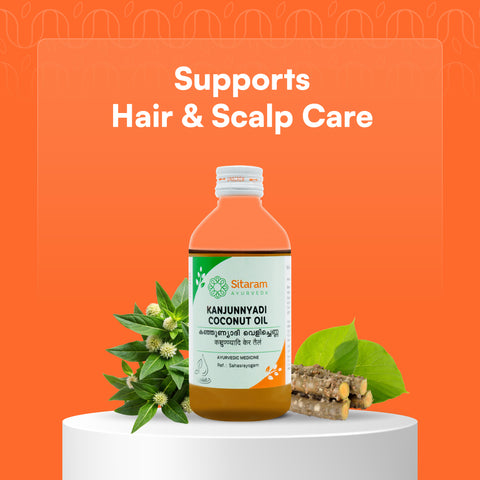
Oil nourishment is a key step in curly hair care, especially in Ayurveda.
Sitaram Ayurveda offers several oils designed for scalp and hair health:
-
Narasimham Hair Oil, which contains traditional herbs for strengthening hair
-
Neeli Tailam, which supports scalp nourishment and hair growth
-
Scurf Herbal Oil, which helps manage scalp conditions and dryness
These oils often include ingredients like Bhringraj and Amla, known for improving hair strength and shine. Just as their Pain Relief Oil or Ayurvedic Pain Relief Oil provides targeted relief, these hair oils provide targeted nourishment.
Regular oiling helps:
-
Reduce frizz
-
Improve elasticity
-
Strengthen roots
4. Styling Without Damage
Styling should enhance curls without causing harm. Excessive heat and rough handling can damage the hair structure.
-
Avoid frequent use of heat styling tools
-
Use leave-in conditioners or curl-defining products
-
Style hair while it is damp rather than dry
Gentle styling techniques help maintain the natural shape and bounce of curls.
5. Maintenance and Night Care
Proper maintenance ensures that curls remain defined and protected between washes.
-
Use satin or silk pillowcases to reduce friction
-
Tie hair loosely to prevent tangling
-
Refresh curls using water or a light leave-in product
Night care plays an important role in preserving curl definition and reducing breakage.
Common Curly Hair Mistakes to Avoid
Many common habits can negatively impact curly hair health. Avoiding these mistakes can significantly improve results.
-
Washing hair too frequently
-
Skipping conditioner
-
Using high-heat styling tools
-
Brushing hair when dry
-
Ignoring scalp care
Making small changes in daily habits can lead to noticeable improvements over time. Such as post hair transplant care, avoiding friction and harsh chemicals is even more vital.
Best Natural Ingredients for Curly Hair Care
Natural ingredients are highly beneficial for curly hair as they nourish without causing damage.
Some of the most effective Ayurvedic ingredients include:
-
Bhringraj, which supports hair growth and strength
-
Amla, which improves shine and resilience
-
Coconut oil, which deeply moisturizes
-
Herbal blends that help maintain scalp balance
These ingredients work gently yet effectively to improve overall hair health.
Curly Hair Care Based on Hair Type
Different curl types require slightly different approaches.
Wavy Hair
-
Use lightweight products
-
Avoid heavy oils that may weigh hair down
Use lightweight products and follow a specific hair care routine for wavy hair to avoid flatness. Avoid heavy oils that may weigh hair down
Curly Hair
-
Maintain a balance between moisture and styling
-
Use curl enhancing products
Coily Hair
-
Focus on deep hydration
-
Use richer oils and creams for nourishment
Understanding your curl type helps in choosing the right products and routine.
Ayurvedic Curly Hair Care Routine
A holistic curly hair care routine includes both external and internal care. Just as using Ayurvedic Oil For Joint Pain or Ayurvedic Oil For Knee Pain works best when used regularly, consistency in hair care is essential.
-
External care involves oils, cleansers, and conditioners
-
Internal care includes a balanced diet, proper hydration, and stress management
-
Narasimha Tablets which are traditionally used for hair strength and nourishment
This combined approach ensures long-term hair health rather than temporary results.
Why Choose Ayurvedic Solutions for Curly Hair Care
Ayurvedic solutions offer a natural and sustainable way to care for curly hair.
-
They rely on natural ingredients
-
They support long-term scalp health
-
They avoid harsh chemicals
-
They focus on treating the root cause
This makes Ayurveda particularly suitable for maintaining healthy curls over time.
Recommended Hair Care Essentials
An effective routine should include:
-
Herbal oils for nourishment
-
Mild cleansers for gentle washing
-
Scalp treatments for long-term care
Choosing the right combination of products helps maintain consistency and results.
Conclusion
If you are looking to improve your curly hair care routine with a more natural and balanced approach, exploring Ayurvedic solutions can make a meaningful difference. Sitaram Ayurveda offers formulations rooted in traditional knowledge and crafted to support scalp health and hair strength. Choosing a thoughtful routine today can help you achieve healthier, more defined curls in the long run.
Disclaimer: This content is for informational purposes only and is not a substitute for professional medical advice. Always consult your healthcare provider.
Frequently Asked Questions
Q1. How often should curly hair be washed?
Curly hair should typically be washed two to three times a week to maintain moisture while keeping the scalp clean.
Q2. Can curly hair become straight permanently?
Curly hair cannot naturally become straight permanently. Only chemical treatments or heat styling can alter the structure temporarily or permanently.
Q3. Is oiling necessary for curly hair care?
Oiling is beneficial because it nourishes the scalp, reduces dryness, and improves overall hair strength.
Q4. Will trimming improve curl definition?
Regular trimming removes damaged ends and helps curls appear more defined and healthier.
Q5. What is the best routine for curly hair care?
The best routine includes gentle cleansing, conditioning, oil nourishment, minimal heat styling, and consistent maintenance.
Q6. Why does curly hair get frizzy easily?
Curly hair becomes frizzy because it lacks moisture, and the cuticle layer is more prone to lifting.
Q7. How can frizz be reduced naturally?
Frizz can be reduced by maintaining hydration, using natural oils, and avoiding harsh chemicals.
Q8. What ingredients should be avoided in curly hair care products?
Ingredients such as sulfates, alcohol based formulas, and harsh chemicals should be avoided as they strip moisture from the hair.