Healthy hair starts with a clean scalp, balanced nutrition, regular oiling, gentle cleansing, and avoiding excessive heat or harsh chemicals. If you’re wondering how to take care of my hair naturally, an Ayurvedic routine that combines scalp care, nourishing herbs, hydration, and consistent habits can help improve hair strength, shine, and overall scalp health over time.
If you are searching for how to take care of my hair, the answer lies in building a simple, consistent routine that supports both scalp and hair health. Healthy hair is not just about using the right products, it also depends on nutrition, stress management, hydration, and daily habits.
At Sitaram Ayurveda, Ayurvedic hair care focuses on long-term nourishment using traditional herbs and holistic wellness practices rather than temporary cosmetic fixes. Whether you are dealing with hair fall, dryness, dandruff, or frizz, understanding how to care for your hair naturally can make a noticeable difference over time.
Understand Your Hair Type Before Starting a Hair Care Routine
Before choosing products or remedies, it is important to understand your scalp and hair type. Different hair concerns require different approaches, and a routine that works for one person may not suit another.
Oily Scalp and Greasy Hair
An oily scalp usually produces excess sebum, which can make hair appear greasy soon after washing. Overwashing often worsens the problem because it strips natural oils and triggers even more oil production. Using a gentle herbal cleanser can help maintain balance without drying out the scalp.
Dry and Frizzy Hair
Dry hair lacks moisture and often feels rough, brittle, or difficult to manage. Heat styling, chemical treatments, hard water, and environmental exposure can damage the hair cuticle over time. If you are wondering how to take care of my hair when it feels dry and lifeless, regular oiling and mild cleansing become essential.
Combination Hair
Many people experience oily roots with dry ends. In such cases, scalp care and hair length nourishment should be treated separately.
Hair Fall and Weak Roots
Stress, nutritional deficiencies, hormonal imbalance, and poor scalp health can weaken hair roots. Ayurveda focuses on supporting the scalp environment while nourishing the body internally. Because optimal metabolic absorption regulates the health of your hair tissues, prioritizing structured digestive care ensures your body cleanly processes everything you consume.
Daily Habits That Help You Take Care of Your Hair
Consistent daily habits often matter more than expensive treatments. Small changes can significantly improve scalp health and reduce damage.
Keep Your Scalp Clean Without Overwashing
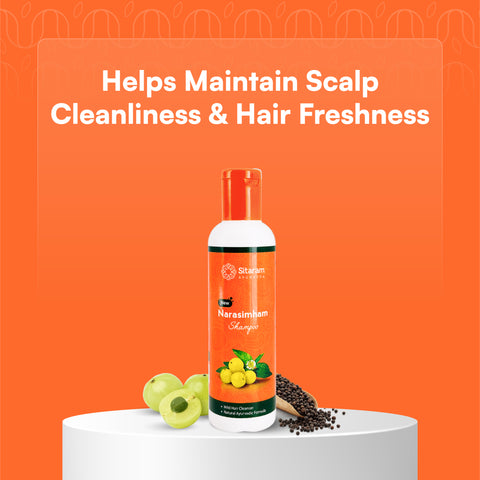
A clean scalp supports healthy hair growth, but frequent washing with harsh shampoos can remove natural oils and weaken the hair barrier. Sitaram Ayurveda Hair Care Collection includes gentle Ayurvedic formulations such as Narasimham Shampoo, designed to clean the scalp without excessive dryness. If you are learning how to care for your hair, choosing mild products is one of the first steps.
Oil Your Hair Regularly
Hair oiling is a traditional Ayurvedic practice that supports scalp nourishment and relaxation. A warm oil massage may help improve blood circulation while reducing dryness and scalp tightness.
Popular Ayurvedic ingredients used in hair oils include:
-
Bhringraj
-
Amla
-
Coconut oil
-
Brahmi
-
Neem
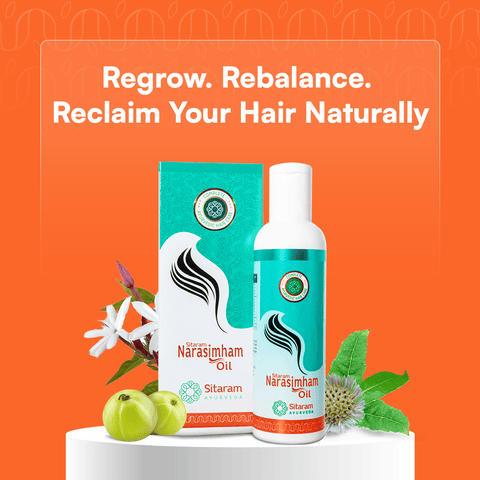
Products like Narasimham Hair Oil and Scurf Herbal Oil from Sitaram Ayurveda are commonly used for scalp nourishment and dandruff management. For individuals who carry tension in their head or shoulders from work, pairing your oiling session with a calming ritual supports deep mental wellness, cutting down stress-induced shedding.
Avoid Excessive Heat Styling
Frequent use of straighteners, curling irons, and blow dryers weakens the hair shaft and increases breakage. Allowing hair to air dry whenever possible helps preserve natural moisture.
Use a Soft Towel and Wide-Tooth Comb
Rough towel drying and aggressive brushing can lead to unnecessary hair fall. Pat your hair dry gently and detangle it carefully, especially when wet. For active men juggling fitness habits alongside daily hair grooming, utilizing an external application like an ayurvedic pain relief oil after workouts provides essential structural support to muscles, complementing a gentle post-shower routine.
Best Foods for Healthy Hair Growth
Diet plays a major role in hair quality because hair follicles require consistent nutrition to grow strong strands. Keeping your immunity and metabolic pathways clean with a seasonal ayurvedic immunity booster ensures cellular renewal proceeds flawlessly from within.
Protein-Rich Foods
Hair is primarily made of keratin, a type of protein. Include foods such as lentils, eggs, nuts, yogurt, seeds, and beans.
Iron and Mineral Support
Iron deficiency is often linked with increased hair fall. Leafy greens, dates, sesame seeds, and legumes may support healthy iron levels.
Hydration and Hair Strength
Dehydration can affect both scalp health and hair texture. Drinking enough water supports scalp moisture balance and hair elasticity.
Ayurvedic Herbs Traditionally Used for Hair Wellness
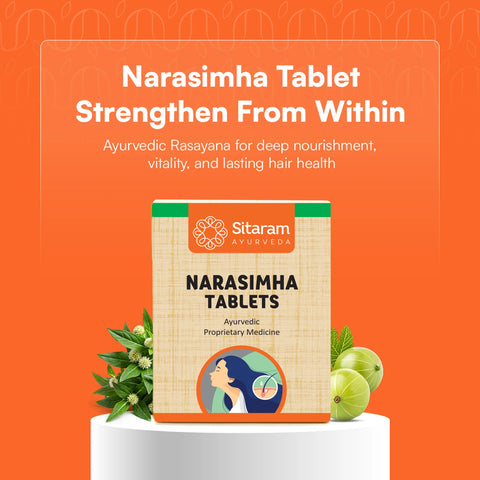
Narasimha Tablets from Sitaram Ayurveda are designed to support internal wellness and nourishment as part of a balanced hair care routine. To improve how your body breaks down and utilizes these botanicals, you can consult tailored solutions within the ayurvedic medicine for digestion category.
Weekly Hair Care Routine for Strong and Shiny Hair
A weekly routine helps restore moisture, remove buildup, and maintain scalp balance.
Weekly Hair Oiling Routine
Warm your preferred hair oil slightly and massage it into the scalp using circular motions. Leave it on for one to two hours or overnight before washing. This traditional practice is especially beneficial if you are searching for how to take care of my hair naturally without relying heavily on chemical treatments.
Gentle Hair Wash Routine
Use lukewarm water instead of hot water while washing your hair. Hot water can strip away natural oils and worsen dryness.
Scalp Care and Exfoliation
A healthy scalp creates a healthier environment for hair growth. Occasional scalp exfoliation may help remove product buildup and dead skin.
Deep Conditioning With Natural Ingredients
Natural ingredients like aloe vera, hibiscus, yogurt, and coconut milk can help soften dry hair and improve manageability.
Common Hair Care Mistakes You Should Avoid
Even a good routine may fail if damaging habits continue consistently. Mistakes include washing hair too frequently, using harsh chemical products, ignoring scalp health, or relying on tight hairstyles that cause traction breakage. For men focusing on overall biological vitality alongside hair strength, managing androgenic changes effectively through our specialized mens health suite offers vital long-term support.
How Ayurveda Helps You Care for Your Hair Naturally
Ayurveda approaches hair care through a holistic lens. Instead of treating only visible symptoms, it focuses on supporting internal and external balance.
Focus on Root-Cause Wellness
Ayurvedic care often combines herbal formulations, diet support, scalp massage, stress management, and lifestyle improvements. This balanced approach is one reason many people exploring how to take care of my hair naturally turn toward Ayurvedic practices.
Long-Term Hair Wellness vs Quick Fixes
Quick cosmetic solutions may temporarily improve appearance, but consistent routines usually produce more sustainable results. Understanding how to care for your hair requires patience and regular care rather than overnight treatments.
Recommended Ayurvedic Hair Care Products by Sitaram Ayurveda
-
Narasimham Hair Oil: A traditional Ayurvedic hair oil formulated to nourish the scalp and support stronger-looking hair.
-
Narasimham Shampoo: A gentle herbal shampoo suitable for regular cleansing while helping maintain scalp balance.
-
Scurf Herbal Oil: Designed for scalp care and dandruff management while helping soothe dryness and itchiness.
-
Narasimha Tablets: Ayurvedic wellness support formulated to complement external hair care practices.
Explore the full hair care range at Sitaram Ayurveda Hair Care Collection.
Conclusion
Healthy hair is built through consistent care, balanced nutrition, and mindful daily habits. If you have been searching for how to take care of my hair, the most effective approach is often the simplest.
Explore our complete range through the centralized Sitaram Ayurveda Collections portal to discover formulas crafted for scalp nourishment, healthy-looking hair, and everyday wellness.
Frequently Asked Questions
Q1. How to take care of my hair naturally at home?
You can maintain healthy hair by following a consistent routine that includes gentle cleansing, regular oiling, balanced nutrition, hydration, and avoiding excessive heat styling.
Q2. How often should I oil my hair?
Most people benefit from oiling their hair one to two times per week depending on scalp type and hair texture. For busy schedules, balancing internal nutritional demands with a daily health drink for men can provide baseline tissue structural blocks easily.
Q3. Can Ayurveda help reduce hair fall?
Ayurvedic practices may support scalp health and hair nourishment through herbal oils, stress management, and balanced lifestyle habits. For a targeted masculine wellness profile, look into options listed under our ayurvedic medicine for mens health category.
Q4. Can washing hair daily damage it?
Frequent washing with harsh shampoos may dry out the scalp and weaken hair over time, especially for dry or damaged hair types.
Q5. Is scalp care important for healthy hair?
Yes. A healthy scalp supports stronger hair growth and reduces concerns like dandruff, irritation, and excessive oiliness. To make sure your system processes nutrients completely without forming toxins, integrating traditional ayurvedic digestive tablets keeps the digestive fire bright.
Q6. Will hair oiling make hair greasy?
Using the right quantity and washing properly afterward usually prevents excessive greasiness while still nourishing the scalp.
Q7. What foods support healthy hair growth?
Protein-rich foods, iron-rich vegetables, nuts, seeds, and hydrating foods may support stronger and healthier hair.
Q8. Why does hair become dry and frizzy?
Hair may become dry due to heat styling, harsh shampoos, environmental exposure, dehydration, or lack of proper scalp nourishment.