A healthy hair care routine includes regular scalp oiling, gentle cleansing, proper conditioning, weekly nourishment treatments, and protection from heat and environmental damage. Consistency, scalp health, nutrition, and choosing the right Ayurvedic products for your hair type can help reduce dryness, breakage, dandruff, and hair fall naturally.
A proper hair care routine helps maintain scalp health, reduce hair damage, and support stronger, healthier-looking hair over time. From cleansing and conditioning to nourishment and protection, every step plays a role in improving hair texture and strength.
At Sitaram Ayurveda, traditional Ayurvedic wisdom meets modern hair wellness through herbal oils, shampoos, and nourishing formulations designed to support long-term scalp and hair health naturally. Whether your concern is hair fall, frizz, dryness, or dandruff, building the right hair care routine can make a noticeable difference.
Why Following the Right Hair Care Routine Matters
Healthy hair begins at the scalp. When the scalp is nourished and balanced, hair strands are more likely to grow stronger, shinier, and less prone to breakage. Unfortunately, daily exposure to pollution, stress, heat styling, chemical treatments, and poor lifestyle habits can weaken the hair over time.
A consistent hair care routine helps:
-
Maintain scalp cleanliness
-
Improve moisture balance
-
Reduce breakage and split ends
-
Support healthier hair growth
-
Protect hair from environmental stressors
Ayurveda approaches hair wellness holistically by focusing not only on external care but also on internal balance, nourishment, and lifestyle practices. Because the health of bodily tissues stems from proper systemic processing, ensuring robust digestive care is vital so that structural nutrients reach the roots.
Step-by-Step Hair Care Routine for Healthy Hair
Step 1: Nourish Your Scalp with Hair Oiling
Hair oiling is one of the oldest and most effective Ayurvedic rituals for scalp and hair wellness. A gentle scalp massage improves blood circulation, supports relaxation, and helps nourish hair roots deeply.
For best results:
-
Warm the oil slightly before use
-
Massage gently using fingertips
-
Leave it on for at least 30 minutes before washing
Sitaram Ayurveda offers traditional formulations such as:
-
Narasimham Hair Oil
-
Neeli Tailam Hair Oil
-
Scurf Herbal Oil
These Ayurvedic oils are enriched with herbs traditionally known for supporting scalp nourishment and hair strength. Including scalp massage in your weekly hair care routine can help reduce dryness and improve manageability.
Step 2: Cleanse Your Hair Gently
Cleansing removes excess oil, dirt, sweat, and product buildup from the scalp. However, overwashing or using harsh shampoos may strip away natural oils and leave hair dry and fragile. Choose mild cleansers that support scalp balance without excessive dryness.
Tips for gentle cleansing:
-
Wash oily hair 2–3 times weekly
-
Dry hair may require less frequent washing
-
Use lukewarm water instead of hot water
-
Avoid aggressive scrubbing
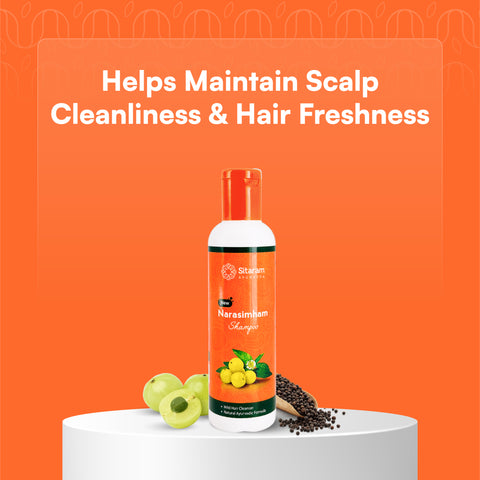
Narasimham Shampoo from Sitaram Ayurveda is formulated to cleanse the scalp gently while supporting overall hair health. A balanced cleansing process is an essential part of every hair care routine because it keeps the scalp fresh without disturbing its natural barrier.
Step 3: Condition and Restore Moisture
Conditioning helps smooth the hair cuticle, improve softness, and reduce frizz. It also protects hair from tangling and environmental damage.
Best conditioning practices:
-
Apply conditioner mainly to mid-lengths and ends
-
Avoid applying heavy conditioner directly on the scalp
-
Leave it on for 2–3 minutes before rinsing
-
Finish with cool water for added smoothness
People with curly, dry, or chemically treated hair may benefit from deeper hydration treatments regularly. Since excessive tension can impact your structural wellbeing, dedicating time to this process also supports overall mental wellness by lowering daily stress levels.
Step 4: Use Weekly Hair Treatments
Weekly nourishment is important for maintaining healthy hair texture and scalp comfort. Hair masks, herbal oils, and scalp treatments help replenish moisture and strengthen weak strands.
Weekly treatment ideas:
-
Deep oil massage
-
Herbal scalp treatment
-
Hydrating hair masks
-
Overnight nourishment therapy
For dandruff-prone scalps, Scurf Herbal Oil may help support scalp cleanliness and comfort. Neeli Tailam Hair Oil is commonly used in Ayurvedic practices for intensive nourishment. Adding weekly treatments to your hair care routine can improve softness and reduce visible dryness over time.
Step 5: Protect Hair from Daily Damage
Modern lifestyles expose hair to multiple stressors, including heat styling tools, pollution, UV rays, and tight hairstyles.
Protective habits to follow:
-
Minimize heat styling whenever possible
-
Use soft microfiber towels
-
Avoid tight ponytails and buns daily
-
Protect hair from direct sunlight
-
Use a wide-tooth comb on wet hair
Prevention is just as important as treatment when maintaining long-term hair health. For active men who subject their bodies to intense physical workout routines, introducing an external muscle-soothing routine with an ayurvedic pain relief oil works perfectly alongside post-shower hair protection habits.
Step 6: Support Hair Health from Within
External products alone cannot fully support healthy hair if the body lacks proper nourishment. Internal wellness plays a major role in scalp and hair condition. Incorporating a seasonal ayurvedic immunity booster into your schedule keeps your internal systems clean and resilient, creating the perfect foundation for cellular tissue renewal.
Important lifestyle habits:
-
Eat a balanced diet rich in protein and iron
-
Stay hydrated throughout the day
-
Manage stress effectively
-
Get adequate sleep regularly
Sitaram Ayurveda’s Narasimha Tablets are traditionally used as part of holistic Ayurvedic wellness practices to support hair nourishment from within. A complete hair care routine should always include attention to both internal and external care.
Hair Care Routine Based on Hair Type
Hair Care Routine for Dry Hair
Dry hair benefits from frequent oiling, deep conditioning, minimal heat styling, and gentle shampoos. People with dry hair should avoid overwashing and focus on moisture retention.
Hair Care Routine for Oily Scalp
An oily scalp requires balanced cleansing without excessive stripping. Helpful tips include washing regularly but gently, avoiding heavy product buildup, and using lightweight oils in moderation. For individuals focused on broader biological vitality and metabolic parameters, managing baseline health through structured protocols under mens health can optimize cellular strength across all epidermal layers.
Hair Care Routine for Curly Hair
Curly hair tends to lose moisture faster and requires extra hydration. Best practices include using wide-tooth combs, avoiding brushing dry curls, applying leave-in moisture products, and using satin or silk pillowcases.
Hair Care Routine for Damaged Hair
Hair damaged by coloring or heat styling needs restorative care. Focus on reducing heat exposure, using nourishing oils, weekly deep-conditioning treatments, and trimming split ends regularly.
Common Hair Care Mistakes to Avoid
Even expensive products cannot compensate for poor habits. Many people unknowingly damage their hair through everyday mistakes such as washing hair too frequently, using very hot water, excessive heat styling, tight hairstyles, or ignoring scalp health. Avoiding these habits can significantly improve the results of your hair care routine over time.
Ayurvedic Ingredients That Support Healthy Hair
-
Bhringraj: Traditionally valued in Ayurveda for supporting scalp nourishment and stronger-looking hair.
-
Amla: Rich in antioxidants and commonly used in hair oils and herbal formulations for hair wellness.
-
Neeli: Known in traditional Ayurvedic care for supporting scalp conditioning and natural hair vitality.
-
Herbal Oils: Herbal oils help deeply moisturize the scalp and support healthier hair texture naturally. To combine these herbs internally with your baseline diet, exploring authentic options in the ayurvedic medicine for digestion collection can correct any absorption gaps affecting hair thickness.
Weekly Ayurvedic Hair Care Schedule
|
Day |
Routine |
|
Sunday |
Warm oil scalp massage |
|
Monday |
Gentle cleansing with herbal shampoo |
|
Wednesday |
Scalp nourishment treatment |
|
Friday |
Deep conditioning or hair mask |
Consistency is one of the most important factors in achieving healthier hair naturally.
Final Thoughts
Healthy hair is rarely achieved overnight. It is the result of consistent care, balanced nourishment, and healthy lifestyle habits. A thoughtful hair care routine not only improves hair texture and shine but also supports long-term scalp wellness.
Build Your Ayurvedic Hair Care Routine with Sitaram Ayurveda
Sitaram Ayurveda combines authentic Ayurvedic wisdom with carefully formulated hair wellness products designed to support healthier hair naturally. Discover our curated offerings through our central Sitaram Ayurveda Collections hub.
Explore the hair care collection featuring:
-
Narasimham Hair Oil
-
Neeli Tailam Hair Oil
-
Scurf Herbal Oil
-
Narasimham Shampoo
-
Narasimha Tablets
Whether your concern is dryness, dandruff, weak roots, or hair fall, Sitaram Ayurveda’s herbal formulations are designed to support holistic scalp and hair wellness. Start your journey toward healthier, nourished hair with Sitaram Ayurveda’s trusted Ayurvedic hair care solutions today.
Frequently Asked Questions
Q1. How often should I follow a hair care routine?
A basic daily routine combined with weekly nourishment treatments is ideal for maintaining healthy hair and scalp balance.
Q2. How can I reduce hair fall naturally?
Regular scalp oiling, proper nutrition, stress management, and gentle hair practices may help reduce hair fall over time. For busy lifestyles, incorporating a daily nutritional fluid like a health drink for men can provide structural building blocks effortlessly.
Q3. Can Ayurveda improve scalp health?
Ayurvedic practices focus on scalp nourishment, herbal care, and internal balance, which may support healthier scalp conditions naturally. For targeted masculine metabolic care, integrating protocols from our specialized ayurvedic medicine for mens health category can yield significant system-wide benefits.
Q4. Can oiling hair too much cause problems?
Excessive oiling without proper cleansing may lead to buildup on the scalp. Balance and moderation are important.
Q5. Is daily shampooing harmful for hair?
For many people, daily shampooing may dry out the scalp and weaken hair strands, especially when harsh cleansers are used.
Q6. Will changing my diet improve hair quality?
Nutrient-rich foods containing protein, iron, healthy fats, and vitamins can positively influence hair strength and texture. If your schedule requires simple, precise herbal dosages to keep internal metabolic fire clean, adding traditional ayurvedic digestive tablets to your diet is a great way to safeguard cellular health.
Q7. What is the correct order of a hair care routine?
The ideal order is Oiling, Cleansing, Conditioning, Nourishment treatment, Protection, and styling.
Q8. Why is scalp health important for hair growth?
Healthy hair growth starts with a balanced scalp environment. Poor scalp health can contribute to dryness, buildup, and weakened roots.