Yes, it can in some people, but protein powder itself is not usually the direct cause. Constipation is more commonly linked to low fibre intake, dehydration, lactose intolerance, or dietary imbalance. Choosing the right protein, staying hydrated, and supporting healthy digestion can help prevent discomfort.
Protein supplements are a convenient way to meet daily protein needs, but many people wonder: can protein powder cause constipation after experiencing digestive changes? In most cases, the answer lies in your overall diet rather than the supplement itself. Understanding the causes and supporting digestive health naturally can help you continue your fitness journey with confidence. Let's explore why this happens and what you can do about it.
What Is Constipation?
Constipation is a common digestive concern in which bowel movements become less frequent, difficult, or uncomfortable. While everyone's bowel habits differ, having fewer than three bowel movements a week, passing hard stools, or feeling that your bowels haven't emptied are common signs.
Symptoms may include:
- Hard or dry stools
- Straining during bowel movements
- Bloating or abdominal discomfort
- Feeling of incomplete evacuation
- Reduced bowel movement frequency
Occasional constipation is usually temporary, but persistent symptoms should be evaluated by a healthcare professional.
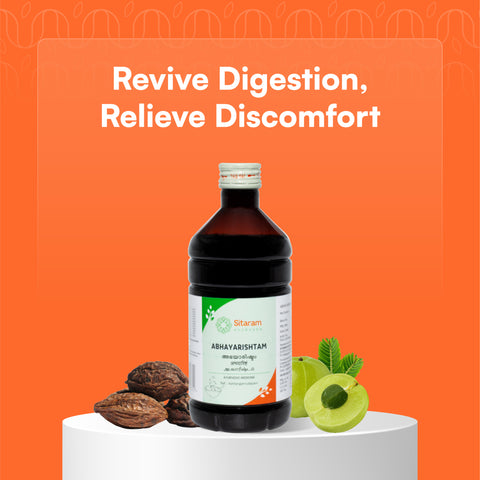
Explore, ayurvedic medicine for digestion for traditional support for healthy digestion and everyday gut wellness.
Can Protein Powder Cause Constipation?
Many people ask, can protein powder cause constipation, especially when they begin using supplements regularly. The simple answer is that protein powder alone is unlikely to be responsible.
Instead, constipation often develops because protein supplements are paired with lifestyle habits that slow digestion. Replacing balanced meals with protein shakes, consuming too little fibre, drinking insufficient water, or choosing products containing ingredients that don't suit your digestive system can all contribute.
Most healthy individuals can use protein powder without digestive issues when it is part of a balanced diet rich in fibre and adequate hydration.
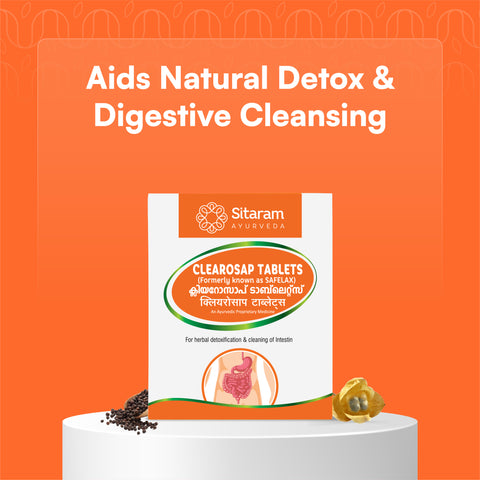
Discover, ayurvedic digestive tablets for convenient Ayurvedic support for comfortable digestion and digestive wellness.
Why Can Protein Powder Cause Constipation?
Several factors may explain why some individuals notice constipation after increasing their protein intake.
Low Fibre Intake
One of the most common reasons is replacing fibre-rich meals with protein shakes. Fruits, vegetables, legumes, and whole grains provide the fibre needed to keep stools soft and support regular bowel movements. When these foods are reduced, constipation becomes more likely.
Inadequate Water Intake
Protein metabolism requires adequate hydration. If your water intake doesn't increase along with your protein intake, stools can become harder to pass.
Keep sufficiently hydrated throughout the day, particularly when you’re physically active.
Lactose Intolerance
Some whey protein concentrates contain lactose. Individuals with lactose intolerance may experience bloating, abdominal discomfort, or changes in bowel habits after consuming these products.
If dairy sensitivity is a concern, whey isolate or plant-based protein powders may be better tolerated.
Artificial Sweeteners and Additives
Some protein powders contain sugar alcohols, gums, or artificial sweeteners. Although these ingredients are safe for most people, some individuals may experience digestive discomfort, bloating, or altered bowel movements.
High-Protein, Low-Carbohydrate Diets
People following restrictive diets often increase protein while reducing carbohydrate-rich foods that naturally contain fibre. This imbalance may slow digestion and contribute to constipation.
Lack of Physical Activity
Regular movement helps stimulate healthy bowel function. Spending long hours sitting, even while maintaining a high-protein diet, may increase the likelihood of constipation.
Which Protein Powders Are More Likely to Affect Digestion?
Different protein powders can have different effects depending on individual tolerance.
|
Protein Type |
Digestive Considerations |
|
Whey Concentrate |
May affect people sensitive to lactose |
|
Whey Isolate |
Lower lactose content and often easier to digest |
|
Casein Protein |
Digests slowly and may feel heavier for some people |
|
Plant-Based Protein |
Usually contains very little fibre, but may be a suitable option for people who are sensitive to dairy or lactose. |
|
Protein Blends with Added Fibre |
May better support digestive regularity |
There isn't a single protein powder that causes constipation in everyone. Choosing one that suits your digestive needs is important.
Learn, about digestive care with simple Ayurvedic practices and habits that support everyday digestive health.
Signs Your Protein Powder May Be Affecting Digestion
If you've recently started taking supplements and notice digestive changes, watch for symptoms such as:
- Hard stools
- Infrequent bowel movements
- Excessive bloating
- Increased gas
- Abdominal discomfort
- Feeling unusually full after shakes
If these symptoms continue despite improving hydration and fibre intake, consider reviewing your supplement choice with a qualified healthcare professional.
Learn about does coffee cause constipation and how coffee may affect digestion and bowel movements.
How to Prevent Constipation While Taking Protein Powder
Fortunately, preventing constipation is often straightforward.
Increase Your Fibre Intake
Balance your protein intake with fibre-rich foods, including:
- Oats
- Fruits
- Vegetables
- Beans and lentils
- Whole grains
-
Seeds
Fibre helps support healthy digestion and regular bowel movements. You can also include healthy fats, such as ghee, nuts, seeds, and avocado, as part of a balanced diet to support overall digestive health.
Stay Well Hydrated
Water supports digestion by helping fibre work effectively. Keep sufficiently hydrated throughout the day, including around workouts.
Choose the Right Protein Powder
If dairy causes digestive discomfort, consider lactose-free or plant-based alternatives after discussing your nutritional needs with a healthcare professional.
Don't Replace Every Meal
Protein shakes should complement a balanced diet rather than replace nutritious meals regularly. Whole foods provide vitamins, minerals, antioxidants, and fibre that protein powders cannot fully replace.
Stay Active
Daily walking, strength training, stretching, or yoga can all help maintain healthy digestive function.
Discover do bananas help with constipation and how ripe and unripe bananas can affect bowel movements differently.
An Ayurvedic Perspective on Digestive Health
Ayurveda views healthy digestion as the foundation of overall wellness. According to Ayurvedic principles, efficient digestion depends on balanced Agni, often referred to as the digestive fire. When digestion becomes sluggish, waste elimination may also become irregular.
Instead of focusing only on relieving constipation, Ayurveda encourages supporting digestive balance through wholesome nutrition, proper hydration, regular routines, mindful eating, adequate sleep, and lifestyle practices that promote overall gut health.
This holistic approach complements healthy dietary habits and encourages long-term digestive wellness rather than temporary symptom relief.
Explore, can ragi cause constipation and how its fiber content and preparation may affect digestion.
Natural Ways to Support Healthy Digestion
Simple daily habits can make a significant difference:
- Eat plenty of fibre-rich foods.
- Drink enough water every day.
- Exercise regularly.
- Avoid skipping meals.
- Eat slowly and chew food thoroughly.
- Include naturally fermented foods where appropriate.
- Manage stress through relaxation techniques.
- Maintain consistent meal and sleep schedules.
Small, sustainable lifestyle changes often provide lasting digestive benefits.
Learn, is curd good for constipation and how probiotics and individual digestion may influence its effects.
When Should You See a Doctor?
While occasional constipation is common, seek medical attention if you experience:
- Persistent constipation lasting several weeks
- Blood in the stool
- Severe abdominal pain
- Unexplained weight loss
- Vomiting
- Fever
- Sudden changes in bowel habits
Prompt evaluation can help identify any underlying medical conditions.
Conclusion
So, can protein powder cause constipation? In some cases, yes, but it's rarely the protein alone that's responsible. Factors such as low fibre intake, inadequate hydration, lactose intolerance, and lifestyle habits play a much bigger role. By choosing a suitable protein powder, eating a balanced diet, drinking enough water, and staying active, most people can enjoy the benefits of protein supplementation without digestive discomfort.
Support Your Digestive Wellness with Sitaram Ayurveda
Healthy digestion is central to overall well-being, and Ayurveda has long emphasized nurturing it through balanced nutrition and mindful living. With over a century of Ayurvedic heritage, Sitaram Ayurveda offers authentic wellness solutions inspired by classical Kerala Ayurveda. If you're looking to naturally support digestive balance and overall vitality, explore Sitaram Ayurveda's range of traditional Ayurvedic formulations and consult experienced Ayurvedic physicians for personalized guidance on your wellness journey.
Frequently Asked Questions
Q1. How can I prevent constipation while taking protein powder?
Increase your fibre intake, stay well hydrated, remain physically active, and avoid replacing balanced meals with protein shakes regularly.
Q2. Can whey protein cause constipation?
Whey protein itself doesn't usually cause constipation, but whey concentrate may contribute to digestive discomfort in people with lactose intolerance or when consumed with insufficient fibre and water.
Q3. Is plant-based protein easier to digest?
For many individuals with dairy sensitivity, plant-based protein powders may be easier to tolerate and can be a suitable alternative to dairy-based protein powders.
Q4. Will drinking more water help if I feel constipated after taking protein powder?
Yes. Adequate hydration supports healthy digestion and helps fibre soften stools, reducing the likelihood of constipation.
Q5. What foods should I eat with protein powder?
Pair protein supplements with fibre-rich foods such as fruits, vegetables, oats, whole grains, seeds, and legumes to support digestive health.
Q6. Why do some people experience constipation after increasing protein intake?
The issue is usually related to reduced fibre intake, dehydration, dietary imbalance, or individual digestive sensitivities rather than protein itself.
Q7. Can protein powder cause constipation if I have a balanced diet?
Most people with adequate fibre intake, hydration, and healthy lifestyle habits can consume protein powder without developing constipation.
Q8. Is Ayurveda helpful for supporting digestive wellness?
Ayurveda focuses on maintaining healthy digestion through balanced nutrition, daily routines, hydration, and individualized lifestyle practices that promote overall gut health.