The best food for hair growth includes a balanced mix of protein-rich foods, iron sources, healthy fats, and vitamin-packed fruits and vegetables. Eggs, leafy greens, lentils, nuts, seeds, and fruits like berries and amla support stronger roots, healthier scalp conditions, and improved hair growth when consumed consistently as part of a nutritious diet.
If you are searching for the best food for hair growth, the answer lies in building a nutrient-rich daily diet rather than relying on a single ingredient. Hair health reflects what you consume regularly. When supported with the right nutrition and complemented by traditional Ayurvedic care inspired by Sitaram Ayurveda, your hair can become stronger, thicker, and more resilient over time.
Why Your Diet Matters More Than Your Hair Products
Many people invest heavily in shampoos, serums, and oils, yet overlook the role of nutrition. Hair is made of keratin, a structural protein that depends on adequate intake of amino acids, vitamins, and minerals. When your body lacks these nutrients, it diverts resources to essential organs, leaving hair follicles undernourished.
A poor diet often leads to
-
Increased hair fall
-
Weak and brittle strands
-
Slower hair growth
-
Loss of shine and thickness
On the other hand, a balanced diet nourishes the scalp from within and creates the ideal environment for healthy hair growth. External care enhances results, but internal nutrition remains the foundation.
The Science Behind Hair Growth and Nutrition
How Hair Growth Works
Hair grows in a continuous cycle that includes three phases.
-
Anagen phase, which is the active growth stage, where hair follicles produce new hair
-
The catagen phase, which is a short transitional stage
-
Telogen phase, which is the resting stage, followed by shedding
The length and quality of the growth phase depend heavily on nutrition. Deficiencies can shorten this phase and lead to excessive shedding.
Key Nutrients for Hair Growth
For optimal results, your diet must include the following nutrients.
-
Protein, which forms the basic structure of hair
-
Iron, which helps transport oxygen to hair follicles
-
Biotin, which improves hair strength and reduces breakage
-
Omega-3 fatty acids, which nourish the scalp and reduce dryness
-
Zinc, which supports tissue repair and follicle health
-
Vitamin D, which plays a role in activating hair follicles
A deficiency in any of these can disrupt the natural growth cycle and lead to visible hair problems. Just as Ayurvedic Medicine For Joint Pain works by addressing internal inflammation, hair health requires systemic balance.
Best Food for Hair Growth
To achieve noticeable improvement, include a variety of nutrient-dense foods in your daily meals. Below are some of the best food options for hair growth, explained in detail.
Eggs
Eggs are one of the most complete sources of protein and biotin. They help strengthen the hair shaft and improve elasticity, reducing breakage.
Spinach
Spinach is rich in iron, folate, and vitamins that improve blood circulation to the scalp. This ensures that hair follicles receive adequate oxygen and nutrients.
Fatty Fish
Fatty fish such as salmon contain omega-3 fatty acids that support scalp hydration and reduce inflammation, creating a healthier environment for hair growth.
Nuts and Seeds
Almonds, walnuts, flaxseeds, and chia seeds provide essential fatty acids, zinc, and vitamin E. These nutrients protect hair follicles and improve overall hair texture.
Sweet Potatoes
Sweet potatoes contain beta carotene, which converts into vitamin A. This helps in maintaining scalp health and promoting natural hair growth.
Lentils and Beans
Lentils and beans are excellent plant-based protein sources. They also provide iron and zinc, making them especially important for those following vegetarian diets.
Yogurt
Yogurt contains protein and probiotics that support gut health. A healthy digestive system improves nutrient absorption, which indirectly benefits hair growth.
Berries
Berries are packed with antioxidants and vitamin C. They protect hair follicles from oxidative stress and support collagen production.
Whole Grains
Whole grains improve blood circulation and provide essential nutrients like iron and B vitamins that support hair strength.
Avocados
Avocados are rich in healthy fats and vitamin E, which nourish the scalp and enhance hair shine.
Amla
Amla is a traditional ingredient known for its high vitamin C content. It strengthens hair roots and promotes healthier growth.
Curry Leaves
Curry leaves have been used in traditional remedies for hair care. They help reduce hair fall and improve overall hair quality.
Ayurvedic Perspective on Hair Growth
Ayurveda takes a holistic approach to hair care by focusing on internal balance rather than just external treatment. According to this system, hair problems are often linked to imbalances in the body’s natural energies.
Understanding the Root Cause
Imbalances in Vata and Pitta can lead to dryness, hair fall, and premature greying. Poor digestion also plays a role, as it affects nutrient absorption.
Powerful Ayurvedic Ingredients
-
Bhringraj is known for promoting hair growth and reducing hair fall
-
Amla strengthens hair and improves scalp health
-
Brahmi helps reduce stress, which is a common cause of hair loss
-
Triphala supports detoxification and improves nutrient absorption
This approach focuses on long-term results by addressing the root cause of hair problems.
Best Daily Diet Plan for Hair Growth
A consistent daily routine can make a significant difference in hair health. Whether you are looking for a hair care routine for wavy hair or straight hair, the nutritional base remains the same.
-
Morning: Start your day with warm water and a handful of soaked nuts. This helps kickstart digestion and provides essential nutrients.
-
Lunch: Include a balanced meal with whole grains, lentils, and green vegetables. This ensures a steady supply of protein and iron.
-
Evening: Opt for light snacks such as fruits or seeds that provide vitamins and antioxidants.
-
Dinner: Choose a light meal with protein and vegetables to support overnight repair and growth.
Following a consistent routine helps maintain nutrient levels and supports long-term hair health.
Foods to Avoid for Better Hair Health
Certain foods can negatively impact hair growth and should be limited.
-
Processed foods often lack essential nutrients and can weaken hair
-
Excess sugar can disrupt hormonal balance and contribute to hair loss
-
Junk food provides empty calories without supporting hair health
-
Crash diets deprive the body of nutrients, leading to rapid hair fall
Avoiding these habits is just as important as including the right foods.
External Care and Holistic Support
While nutrition plays a primary role, external care also contributes to overall results. A balanced approach that combines diet and gentle hair care practices can improve scalp health and reduce damage. Knowing how to take care of hair externally is vital, even if you are recovering from procedures and need post hair transplant care.
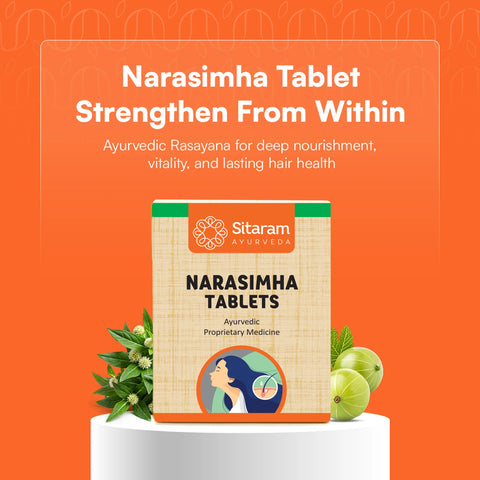
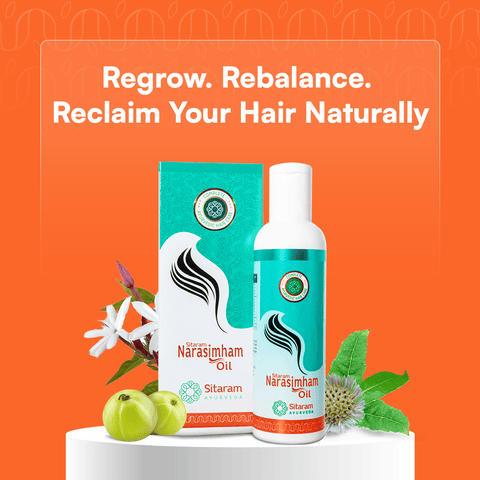
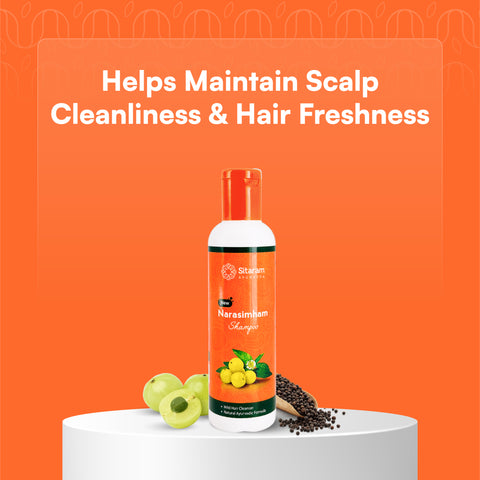
Traditional Ayurvedic formulations from Sitaram Ayurveda are designed to complement internal nourishment. While many know the brand for its Pain Relief Oil or Ayurvedic Pain Relief Oil, their hair care products are based on time tested herbs that support scalp balance and strengthen hair naturally. These products are based on time tested herbs that support scalp balance and strengthen hair naturally.
Final Thoughts
The best food for hair growth is not a single item but a combination of nutrient-rich foods consumed consistently. Healthy hair requires patience, discipline, and a balanced approach that includes both internal nutrition and external care. Much like using Ayurvedic Oil For Joint Pain or Ayurvedic Oil For Knee Pain requires steady application for relief, your diet needs time to manifest results. When supported with the right habits, your hair can become stronger, thicker, and more resilient over time.
If you are serious about improving your hair health, focus on a complete approach rather than quick fixes. Combine a nutrient-rich diet with trusted Ayurvedic care from Sitaram Ayurveda to support stronger roots, a healthier scalp, and long-term hair growth.
Disclaimer: This content is for informational purposes only and is not a substitute for professional medical advice. Always consult your healthcare provider.
Frequently Asked Questions
Q1. How long does it take for diet changes to improve hair growth?
Dietary improvements usually show visible results within two to three months, as the hair growth cycle takes time to respond to better nutrition.
Q2. Can the best food for hair growth completely stop hair fall?
A healthy diet can significantly reduce hair fall caused by deficiencies, but it may not completely stop hair loss caused by genetics or medical conditions.
Q3. Is protein the most important nutrient for hair growth?
Yes, protein is essential because hair is primarily made of keratin, but other nutrients like iron and vitamins are equally important for overall health.
Q4. Will drinking more water improve hair growth?
Proper hydration supports scalp health and nutrient transport, which indirectly contributes to healthier hair growth.
qQ5. What is the best food for hair growth for vegetarians?
Lentils, beans, nuts, seeds, spinach, and dairy products are excellent vegetarian options for supporting hair growth.
Q6. What causes hair thinning despite a good diet?
Hair thinning can be caused by stress, hormonal imbalances, genetics, or underlying health conditions, even if your diet is healthy.
Q7. Why does iron deficiency lead to hair fall?
Iron helps carry oxygen to hair follicles. When levels are low, hair roots weaken and shedding increases.
Q8. Why is consistency important in a hair growth diet?
Hair growth depends on a continuous supply of nutrients. Irregular eating habits can disrupt this process and slow down results.