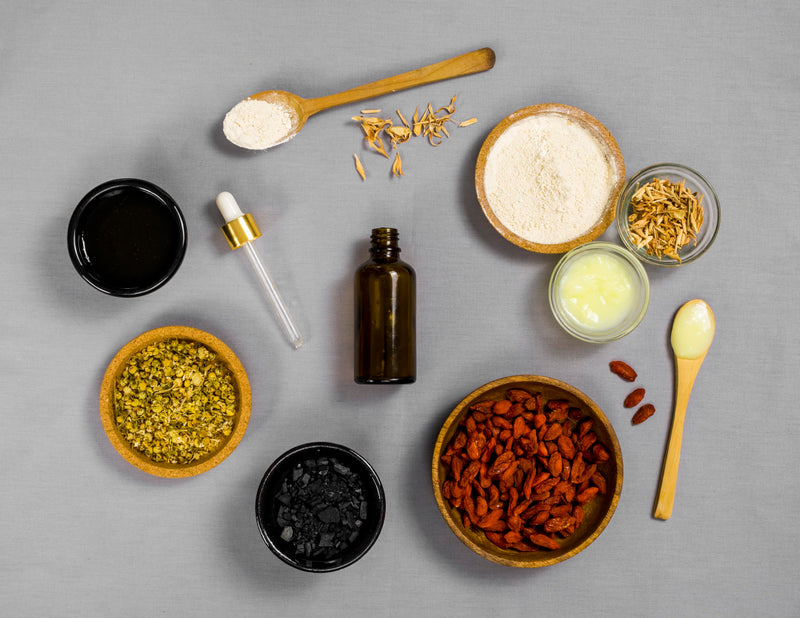
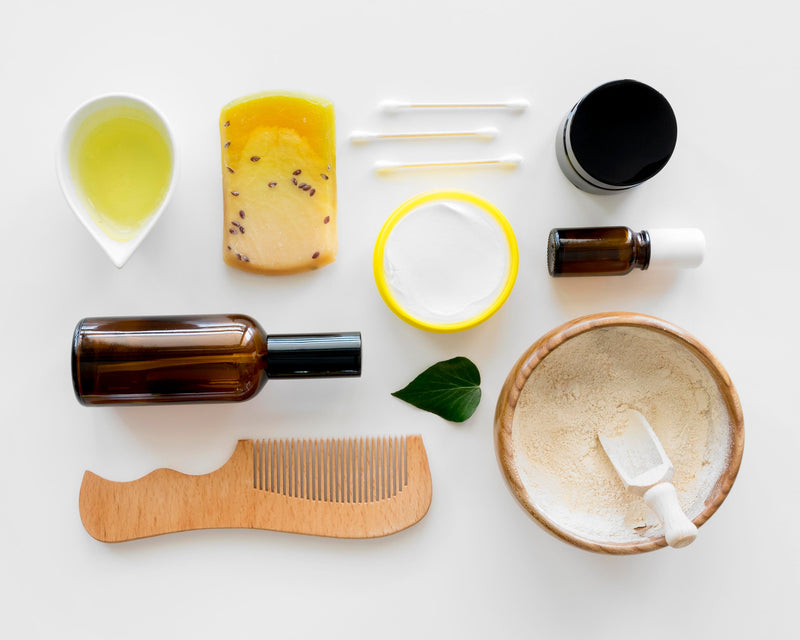
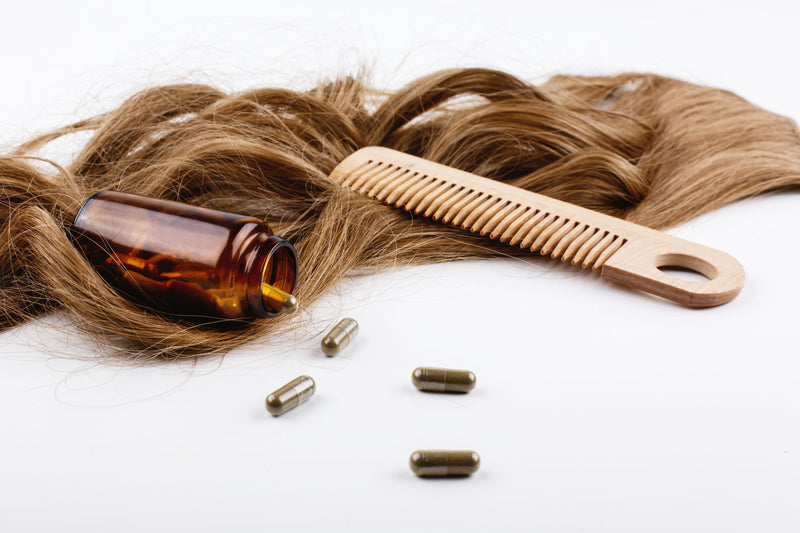
Ayurvedic hair treatment focuses on improving scalp health, strengthening hair roots, and reducing hair fall through herbal oils, balanced nutrition, and lifestyle practices. Ingredients like Bhringraj, Amla, Brahmi, and Neem help nourish the scalp naturally while supporting long-term hair wellness without relying on harsh chemical-based products.
Ayurvedic hair treatment is a holistic approach that supports healthier hair by addressing scalp nourishment, lifestyle balance, and internal wellness. Unlike temporary cosmetic fixes, Ayurveda focuses on identifying the root causes of hair fall, thinning, dandruff, and dryness. At Sitaram Ayurveda, traditional Kerala Ayurvedic principles are combined with carefully crafted herbal formulations to support naturally stronger, healthier-looking hair.
Modern hair concerns are often linked to stress, poor nutrition, environmental exposure, and excessive chemical treatments. Ayurveda approaches these issues through herbal oils, scalp care rituals, dietary practices, and time-tested remedies that work in harmony with the body.
What Is Ayurvedic Hair Treatment?
Ayurvedic hair treatment for hair growth is a traditional wellness practice rooted in Ayurveda, India’s ancient system of holistic healing. Instead of focusing only on external symptoms, it aims to improve overall scalp and hair health by restoring balance within the body.
According to Ayurveda, hair health is closely connected to the balance of the three doshas, Vata, Pitta, and Kapha. When these energies become imbalanced due to stress, diet, lifestyle, or environmental factors, hair problems such as breakage, excessive shedding, premature greying, and dandruff may occur.
Unlike chemical-heavy haircare products that often provide short-term cosmetic improvement, Ayurvedic hair treatment emphasizes long-term nourishment using herbs hair oil for hair growth, cleansing rituals, and dietary support.
Common Hair Problems Addressed by Ayurveda
Hair Fall and Hair Thinning
Hair fall has become increasingly common due to stress, irregular sleep patterns, poor dietary habits, pollution, and overuse of styling products. Ayurveda considers excessive hair fall a sign of internal imbalance, particularly aggravated Pitta dosha.
Herbal ayurvedic oils for hair fall and scalp therapies are traditionally used to improve circulation, strengthen hair roots, and support scalp nourishment.
Dandruff and Dry Scalp
Dryness, itching, and scalp flakes are often linked to excess Vata imbalance. Ayurveda uses soothing herbs and oiling rituals to moisturize the scalp naturally and help maintain a healthier scalp barrier.
Premature Greying
Heat imbalance, stress, and nutritional deficiencies are commonly associated with early greying in Ayurvedic philosophy. Cooling herbs such as Amla and Brahmi are traditionally recommended to support scalp wellness and hair vitality.
Powerful Ayurvedic Herbs for Hair Wellness
- Bhringraj: Often referred to as the “King of Herbs” for haircare, Bhringraj is widely used in Ayurvedic hair treatment for scalp nourishment and strengthening weak roots. It is commonly infused into ayurvedic hair oils.
- Amla: Amla, or Indian Gooseberry, is rich in antioxidants and traditionally valued for supporting scalp health, shine, and stronger-looking hair.
- Brahmi: Known for its calming properties, Brahmi helps soothe the scalp and supports relaxation, which may indirectly benefit stress-related hair concerns.
- Neem: Neem is commonly used in Ayurveda for scalp cleansing and maintaining a balanced scalp environment.
- Fenugreek (Methi): Fenugreek seeds are traditionally used to nourish the scalp, improve hair texture, and reduce dryness.
Ayurvedic Hair Oiling: A Traditional Self-Care Ritual
Hair oiling is one of the most important components of Ayurvedic hair treatment. Warm herbal oils are gently massaged into the scalp to nourish hair roots and improve circulation.
Benefits of Ayurvedic Hair Oiling
- Helps reduce dryness and breakage
- Supports scalp hydration
- Promotes relaxation and stress relief
- Improves scalp nourishment
- Helps maintain softer, healthier-looking hair
How to Apply Ayurvedic Hair Oil Properly
- Slightly warm the herbal oil
- Part the hair into sections
- Massage gently into the scalp using fingertips
- Leave it on for at least 30 minutes or overnight
- Wash with a mild herbal shampoo
Consistency is important for visible long-term results.
Ayurvedic Diet and Lifestyle Tips for Healthy Hair
Healthy hair begins from within. Ayurveda places strong emphasis on nutrition and daily routine.
Foods That Support Hair Wellness
- Fresh fruits and vegetables
- Nuts and seeds
- Ghee in moderation
- Protein-rich foods
- Amla-based preparations
- Hydrating foods and herbal drinks
Habits That May Contribute to Hair Problems
- Excessive heat styling
- Poor sleep quality
- High stress levels
- Irregular eating habits
- Overwashing the scalp
- Frequent chemical treatments
Managing Stress for Better Hair Health
Stress can significantly affect hair quality. Yoga, meditation, scalp massage, and mindful routines are often recommended as part of Ayurvedic hair treatment to support overall wellness.
Recommended Hair Care Solutions from Sitaram Ayurveda
Sitaram Ayurveda Hair Care Collection offers traditional Ayurvedic formulations inspired by Kerala’s authentic wellness practices.
Narasimham Hair Oil
This herbal oil is formulated using traditional Ayurvedic ingredients that help nourish the scalp and support stronger hair roots. It is suitable for regular scalp massage and hair oiling rituals.
Narasimham Shampoo
Designed to complement oiling routines, this gentle cleanser helps remove buildup while maintaining scalp comfort and hydration.
Narasimha Tablets
Ayurveda emphasizes internal wellness along with external care. These tablets are traditionally used as part of a holistic hair wellness routine.
Scurf Herbal Oil
This herbal formulation is designed to support scalp comfort and help manage dryness and dandruff-related concerns.
Using authentic herbal formulations consistently can make Ayurvedic hair treatment more effective as part of a balanced haircare routine.
How Long Does Ayurvedic Hair Treatment Take to Show Results?
Ayurvedic wellness focuses on gradual, sustainable improvement rather than overnight transformation.
In the first few weeks, many people notice:
- Better scalp comfort
- Reduced dryness
- Improved manageability
With consistent use over time, Ayurvedic hair treatment may help support:
- Stronger-looking hair
- Reduced breakage
- Healthier scalp condition
- Improved hair texture
Results can vary depending on lifestyle, stress levels, diet, and consistency.
Ayurvedic Hair Treatment vs Chemical-Based Haircare
|
Ayurvedic Haircare |
Chemical-Based Haircare |
|
Focuses on long-term scalp wellness |
Often focuses on temporary cosmetic results |
|
Uses herbal ingredients |
Frequently contains synthetic additives |
|
Holistic and preventive approach |
Surface-level treatment |
|
Supports scalp nourishment |
May cause buildup or dryness over time |
Many people choose Ayurvedic hair treatment because it aligns with a gentler and more natural approach to hair wellness.
Conclusion
Healthy hair is closely connected to overall wellness, and Ayurveda approaches haircare routine with this understanding at its core. Through herbal oils, nourishing ingredients, balanced nutrition, and mindful daily rituals, Ayurvedic hair treatment offers a holistic path toward healthier-looking hair and scalp wellness.
Instead of relying solely on quick cosmetic solutions, Ayurveda encourages consistency, balance, and long-term care. Whether you are dealing with dryness, dandruff, thinning, or hair fall, traditional Ayurvedic practices can become a valuable part of your hair wellness journey.
Explore authentic herbal solutions from Sitaram Ayurveda Hair Care Collection and experience the benefits of time-tested Ayurvedic haircare rooted in Kerala’s rich wellness traditions.
Frequently Asked Questions
Q1. How does Ayurvedic hair treatment help with hair fall?
Ayurvedic practices focus on nourishing the scalp, improving circulation, and supporting internal balance through herbs, oils, and lifestyle changes that may help reduce hair fall over time.
Q2. How often should I oil my hair in Ayurveda?
Most Ayurvedic routines recommend oiling the scalp 1–2 times a week, depending on hair type, scalp condition, and lifestyle.
Q3. Can Ayurvedic hair treatment improve scalp health?
Yes. Herbal oils and cleansing rituals used in Ayurveda may help maintain scalp hydration, reduce dryness, and support overall scalp comfort.
Q4. Can Ayurveda help with dandruff naturally?
Traditional Ayurvedic herbs like Neem and Brahmi are commonly used to help cleanse and soothe the scalp naturally.
Q5. Is Ayurvedic haircare suitable for all hair types?
Ayurvedic haircare is generally adaptable for different hair textures and scalp conditions because treatments are often customized according to individual needs.
Q6. Is daily hair oiling recommended in Ayurveda?
Daily oiling may not suit everyone. Ayurveda typically recommends moderate and consistent oiling based on scalp type and climate.
Q7. Will Ayurvedic hair treatment regrow hair completely?
Results vary from person to person. Ayurveda primarily focuses on improving scalp health, strengthening roots, and supporting healthier hair growth conditions.
Q8. What is the best Ayurvedic herb for hair growth?
Bhringraj is one of the most widely recognized Ayurvedic herbs traditionally used for hair nourishment and scalp wellness.