Healthy hair depends on consistent scalp care, balanced nutrition, gentle cleansing, stress management, and protection from heat and pollution. These 10 hair care tips focus on improving scalp health, strengthening roots, reducing breakage, and maintaining natural shine through simple daily habits and Ayurvedic-inspired care routines.
At Sitaram Ayurveda, Ayurvedic hair wellness is approached through nourishment, consistency, and time-tested herbal care practices that support long-term hair health rather than temporary fixes.
Whether you're dealing with dryness, hair fall, dullness, or scalp discomfort, the right routine can make a visible difference over time.
Why Hair Care Matters More Than Ever
Modern lifestyles expose our hair to constant stress. Pollution, hard water, excessive styling, poor sleep, and chemical-heavy products often weaken the scalp and damage hair texture over time.
Strong hair begins at the root. Healthy follicles, proper nutrition, and consistent care all contribute to better hair strength, reduced breakage, and improved shine.
Ayurveda has long emphasized that hair wellness is connected to internal balance. A healthy scalp, nutritious diet, reduced stress, and proper nourishment work together to support healthier hair naturally.
10 Hair Care Tips for Naturally Healthy Hair
1. Massage Your Scalp Regularly With Herbal Hair Oils
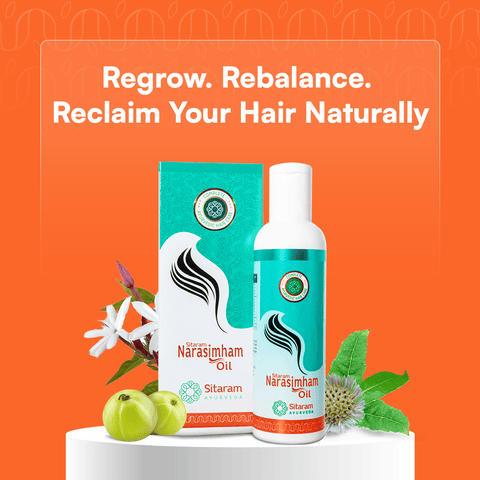
One of the most effective hair care tips is regular scalp massage using nourishing herbal oils. Massaging stimulates blood circulation, relaxes the scalp, and helps deliver nutrients to the roots.
Traditional Ayurvedic ingredients like bhringraj, amla, and neeli are commonly used to support scalp health and strengthen hair naturally.
You can explore Ayurvedic oils and hair wellness products from Sitaram Ayurveda Hair Care Collection designed around classical Ayurvedic formulations.
2. Choose a Mild, S
Sulfate-Free Shampoo
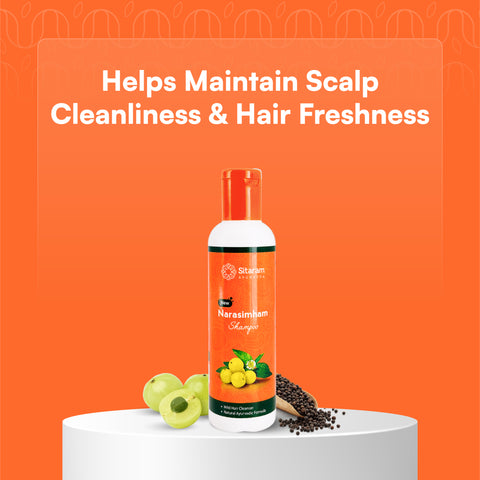
Harsh shampoos often strip away natural oils that protect the scalp and hair shaft. Choosing a gentle cleanser helps maintain moisture balance while reducing dryness and irritation.
Wash your scalp thoroughly, but avoid aggressive scrubbing. Healthy cleansing should leave your scalp refreshed, not tight or dehydrated.
Among the most overlooked hair care tips, switching to a gentler shampoo can significantly improve hair texture over time.
3. Avoid Overwashing Your Hair
Washing your hair too frequently can weaken the scalp barrier and increase dryness. Your scalp naturally produces oils that protect and condition the hair.
Most hair types benefit from washing two to three times a week, depending on climate, activity level, and scalp condition.
If your hair feels dry, brittle, or frizzy, reducing wash frequency may help restore natural softness.
4. Nourish Your Hair Through a Balanced Diet
Hair health is deeply connected to nutrition. Protein, iron, healthy fats, zinc, and vitamins all play a role in supporting hair growth and scalp health.
Some nutrient-rich foods that support healthier hair include:
-
Amla
-
Curry leaves
-
Nuts and seeds
-
Leafy greens
-
Lentils
-
Ghee in moderation
Many hair care tips focus only on external care, but internal nourishment is equally important for stronger roots and healthier strands.
5. Reduce Heat Styling and Chemical Treatments
Frequent blow-drying, straightening, curling, and chemical treatments can weaken the hair cuticle and increase breakage.
If you regularly use heat tools:
-
Use the lowest effective temperature
-
Avoid daily heat styling
-
Let hair air dry when possible
-
Apply protective products before styling
Healthy hair routines focus on preservation, not constant correction.
6. Protect Your Hair From Pollution and Sun Damage
Environmental stress affects both scalp and hair quality. Dust, UV exposure, humidity, and pollution can cause dryness, buildup, and dullness.
Simple habits can help:
-
Cover your hair outdoors when needed
-
Rinse hair after excessive sun exposure
-
Avoid prolonged direct heat
-
Keep the scalp clean and balanced
These practical 10 hair care tips become especially important for people living in urban environments.
7. Trim Your Hair Regularly
Regular trims help maintain healthy-looking hair by removing split ends before they travel further up the strands.
While trimming does not directly increase hair growth, it helps reduce breakage and improves overall appearance and manageability.
Even small trims every few months can make hair feel healthier and fuller.
8. Keep Your Scalp Healthy
Healthy hair begins with a healthy scalp. Excess oiliness, itchiness, dandruff, or buildup may indicate scalp imbalance.
Natural Ayurvedic ingredients traditionally used for scalp wellness include:
-
Neem
-
Brahmi
-
Coconut oil
-
Bhringraj
-
Aloe vera
One of the most important hair care tips is treating scalp care with the same importance as hair care itself.
9. Manage Stress for Better Hair Health
Stress can affect hormonal balance and may contribute to hair shedding in some individuals.
Supporting overall wellness through:
-
Proper sleep
-
Relaxation
-
Physical activity
-
Meditation
-
Yoga
can positively influence hair health over time.
Many people ignore emotional wellness when following hair care, but stress management plays a meaningful role in long-term scalp and hair condition.
10. Follow a Consistent Hair Care Routine
Consistency matters more than constantly changing products. A simple, balanced routine followed regularly often produces better long-term results than complicated trends.
A healthy routine may include:
-
Weekly oil massage
-
Gentle cleansing
-
Scalp care
-
Nutrient-rich meals
-
Minimal heat exposure
-
Proper hydration
The best 10 hair care tips are the ones you can realistically maintain over time.
Common Hair Care Mistakes to Avoid
-
Tight Hairstyles: Tight ponytails and buns can strain the roots and contribute to breakage or traction-related hair fall.
-
Sleeping With Wet Hair: Wet hair is more fragile and prone to damage. Dry your hair gently before sleeping whenever possible.
-
Excessive Product Use: Using too many styling products can lead to buildup and scalp imbalance.
-
Ignoring Early Hair Fall: Persistent hair fall, dandruff, or scalp irritation should not be ignored. Early care is often more effective than delayed treatment.
Ayurvedic Hair Care Rituals for Long-Term Hair Wellness
Ayurveda approaches hair care through balance and nourishment rather than quick cosmetic fixes.
Traditional hair rituals often include:
-
Warm oil massage
-
Herbal scalp care
-
Cooling herbs
-
Balanced nutrition
-
Stress management practices
Sitaram Ayurveda offers Ayurvedic hair wellness formulations inspired by classical practices, including herbal oils and scalp-supportive products designed for everyday care.
How to Build a Simple Weekly Hair Care Routine
Daily Habits
-
Stay hydrated
-
Eat balanced meals
-
Protect hair from pollution
-
Avoid unnecessary heat styling
Weekly Routine
-
Oil massage once or twice weekly
-
Gentle scalp cleansing
-
Deep nourishment for dry hair
Monthly Maintenance
-
Trim split ends
-
Assess scalp condition
-
Simplify products if buildup occurs
Following these 10 hair care tips consistently can help improve hair quality gradually and naturally.
Final Thoughts
Healthy hair is rarely the result of a single product or overnight treatment. Long-term hair wellness comes from balanced habits, proper nourishment, scalp care, and consistency.
These 10 hair care tips focus on creating sustainable routines that support stronger, shinier, and healthier hair naturally. Small changes in daily care can lead to noticeable improvements over time.
Support Your Hair Naturally With Ayurvedic Care
If you're looking to build a more mindful and natural hair care routine, explore the Ayurvedic hair wellness range from Sitaram Ayurveda Hair Care Collection.
From traditional herbal oils to scalp-supportive formulations inspired by classical Ayurvedic wisdom, Sitaram Ayurveda combines authentic practices with modern quality standards to support long-term hair wellness naturally.
Frequently Asked Questions
Q1. How often should I oil my hair?
Oiling once or twice a week is sufficient for most hair types. Excessive oiling may lead to buildup, while moderate use helps nourish the scalp and improve softness.
Q2. How can I reduce hair fall naturally?
A balanced diet, stress management, gentle scalp care, proper sleep, and consistent routines may help reduce hair fall naturally over time.
Q3. Can Ayurvedic hair oils improve scalp health?
Traditional Ayurvedic oils containing herbs like bhringraj, amla, and brahmi are commonly used to support scalp nourishment and strengthen hair roots.
Q4. Can overwashing damage hair?
Yes. Frequent washing may strip away natural oils, leaving hair dry, frizzy, and more vulnerable to breakage.
Q5. Is it necessary to trim hair regularly?
Regular trims help remove split ends and improve overall appearance, making hair look healthier and more manageable.
Q6. Will reducing heat styling improve hair texture?
Reducing excessive heat exposure can help minimize dryness, breakage, and rough texture over time.
Q7. What foods support healthy hair growth?
Protein-rich foods, leafy greens, nuts, seeds, amla, and iron-rich foods all contribute to healthier hair and scalp wellness.
Q8. Why is scalp care important for healthy hair?
The scalp supports hair follicles and root health. A balanced scalp environment helps maintain stronger, healthier hair growth over time.