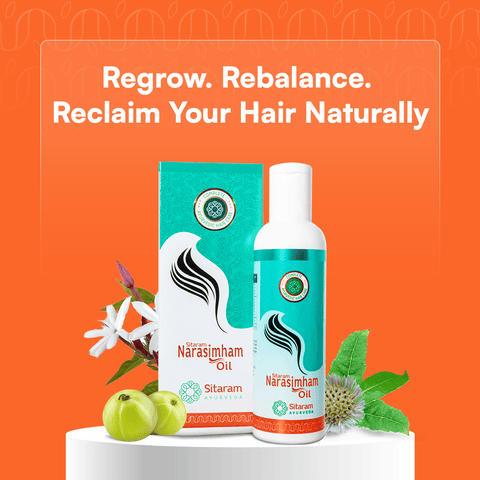
A proper wavy hair care routine focuses on balancing moisture, reducing frizz, and maintaining natural wave definition without weighing the hair down. Gentle cleansing, Ayurvedic oiling, deep conditioning, and lightweight styling techniques can help improve texture, softness, and manageability over time while supporting overall scalp health naturally.
At Sitaram Ayurveda, traditional Ayurvedic hair care practices are combined with herbal formulations that support healthier-looking hair while respecting your natural texture.
Unlike straight hair, wavy hair can easily become dry at the ends and oily near the scalp. Using harsh shampoos, heavy creams, or excessive heat styling often makes the problem worse. The right routine focuses on maintaining scalp balance, preserving moisture, and enhancing your natural wave pattern with minimal damage.
Understanding Wavy Hair and Its Needs
Wavy hair is naturally more prone to frizz and uneven texture because the hair strand bends in soft “S” patterns. Natural oils from the scalp do not travel evenly down the hair shaft, leaving the mid-lengths and ends drier than the roots.
This is why a proper wavy hair care routine should focus on:
-
Gentle cleansing
-
Lightweight hydration
-
Frizz control
-
Scalp nourishment
-
Minimal heat exposure
Many people with wavy hair unknowingly use products designed for either straight or curly hair, which often leads to buildup, limp waves, or excessive dryness.
Types of Wavy Hair
Type 2A
-
Soft, loose waves
-
Fine texture
-
Easily weighed down
Type 2B
-
More defined “S” pattern
-
Moderate frizz
-
Medium texture
Type 2C
-
Thick, coarse waves
-
More volume
-
Closer to curly texture
Understanding your hair type helps you build a more effective wavy hair care routine suited to your texture and moisture needs.
The Ideal Wavy Hair Care Routine
Step 1: Start with Ayurvedic Hair Oiling
Hair oiling has been a part of Ayurvedic wellness traditions for centuries. For wavy hair, oiling helps soften rough strands, reduce dryness, and improve manageability without disrupting the natural wave pattern.
Weekly oil massage can help:
-
Reduce frizz
-
Support scalp nourishment
-
Improve softness
-
Strengthen roots
-
Minimize dryness
Sitaram Ayurveda offers herbal formulations traditionally used in Ayurvedic hair care practices, including:
-
Neelibhringadi Keram
-
Bringamalakadi Thailam
-
Ayurvedic Hair Oils
Ingredients such as bhringraj, amla, brahmi, and coconut oil are commonly used in Ayurveda to support scalp health and maintain hair texture naturally.
How to Use
-
Warm the oil slightly
-
Massage gently into the scalp
-
Apply lightly through the lengths
-
Leave for 30–60 minutes before washing
Avoid leaving excessive oil overnight if your scalp becomes greasy easily.
Step 2: Cleanse Gently Without Stripping Moisture
One of the biggest mistakes in a wavy hair care routine is over-cleansing with strong shampoos. Sulfate-heavy cleansers can strip natural oils and make waves appear rough and undefined.
Choose mild herbal cleansers that cleanse the scalp while maintaining moisture balance.
A gentle cleanser helps:
-
Prevent excessive dryness
-
Reduce frizz
-
Maintain softness
-
Protect natural texture
At Sitaram Ayurveda, herbal hair cleansers are formulated with traditional Ayurvedic ingredients designed to cleanse without making the hair feel overly dry.
Washing Tips
-
Wash 2–3 times a week
-
Focus shampoo on the scalp
-
Let the foam cleanse the lengths naturally
-
Use lukewarm water instead of hot water
Step 3: Deep Condition for Better Wave Definition
Wavy hair often loses moisture quickly, especially in humid or dry weather conditions. Deep conditioning restores hydration and helps define the natural wave pattern.
A nourishing mask once a week can improve:
-
Softness
-
Elasticity
-
Shine
-
Frizz control
Natural ingredients traditionally used for hair nourishment include:
-
Aloe vera
-
Hibiscus
-
Fenugreek
-
Coconut milk
You can also combine Ayurvedic oils with homemade masks for added nourishment.
Simple DIY Mask
Mix:
-
2 tablespoons aloe vera gel
-
1 tablespoon yogurt
-
1 teaspoon fenugreek powder
Apply for 20 minutes before rinsing.
A consistent wavy hair care routine with regular conditioning can gradually improve manageability and reduce roughness.
Step 4: Detangle Hair the Right Way
Dry brushing is one of the fastest ways to ruin wave definition and create frizz.
Instead:
-
Detangle while hair is damp
-
Use a wide-tooth comb
-
Start from the ends and work upward
This reduces breakage and preserves your natural wave structure.
If your hair tangles easily, apply a lightweight leave-in conditioner before combing.
Step 5: Use Lightweight Styling Techniques
Heavy creams and thick styling products can flatten wavy hair. Lightweight styling works better for maintaining bounce and movement.
Helpful Styling Methods
-
Scrunch damp hair gently
-
Air dry whenever possible
-
Use a microfiber towel
-
Avoid aggressive rubbing
If using heat tools, apply heat protection and keep the temperature low.
An effective wavy hair care routine should enhance your natural texture instead of forcing the hair into unnatural shapes.
Weekly Wavy Hair Care Routine Schedule
|
Day |
Routine |
|
Sunday |
Ayurvedic oil massage + gentle cleansing |
|
Monday |
Leave-in hydration if needed |
|
Wednesday |
Mild cleansing + detangling |
|
Friday |
Deep conditioning treatment |
|
Daily |
Lightweight serum or hydration mist |
Following a structured wavy hair care routine consistently often produces better results than using multiple products irregularly.
Ayurvedic Ingredients That Support Wavy Hair
-
Bhringraj: Traditionally used in Ayurveda to support stronger-looking hair and scalp nourishment.
-
Amla: Rich in antioxidants and commonly used to improve softness and shine.
-
Brahmi: Known for its calming and nourishing properties for the scalp.
-
Hibiscus: Often used in Ayurvedic hair masks to support smoother texture.
-
Coconut Oil: Helps reduce moisture loss and supports softer hair strands.
These ingredients are commonly found in Sitaram Ayurveda hair care formulations inspired by traditional Ayurvedic practices.
Common Mistakes That Damage Wavy Hair
-
Overwashing: Washing too often removes natural oils and increases dryness.
-
Using Heavy Styling Products: Heavy creams may flatten waves and create buildup.
-
Excessive Heat Styling: Frequent heat use weakens the natural texture over time.
-
Skipping Conditioning: Hydration is essential for wave definition and softness.
-
Brushing Dry Hair: This causes frizz and disrupts wave patterns.
Avoiding these habits can make your wavy hair care routine far more effective in the long run.
How Long Does It Take to See Results?
Hair care improvements usually happen gradually. Most people notice:
-
Softer texture within 2–3 weeks
-
Reduced frizz within a month
-
Better wave definition after consistent care
Consistency matters more than using too many products at once. A balanced wavy hair care routine combined with gentle Ayurvedic care can support healthier-looking hair over time.
Why Ayurveda Works Well for Wavy Hair
Ayurveda focuses on long-term balance instead of temporary fixes. Rather than masking dryness or frizz, Ayurvedic care emphasizes:
-
Scalp nourishment
-
Herbal ingredients
-
Gentle cleansing
-
Moisture balance
-
Preventive care
This holistic approach works particularly well for wavy hair, which often reacts poorly to harsh chemical-heavy routines.
Sitaram Ayurveda combines traditional Ayurvedic wisdom with carefully crafted formulations designed to support healthier hair naturally.
Transform Your Wavy Hair Naturally with Sitaram Ayurveda
Managing wavy hair does not have to feel complicated. With the right balance of nourishment, hydration, and gentle care, your natural texture can become softer, healthier, and easier to manage over time.
Sitaram Ayurveda offers Ayurvedic hair oils, herbal cleansers, and traditional formulations inspired by time-tested wellness practices designed to support scalp health and naturally beautiful hair.
Explore the Sitaram Ayurveda Hair Care Collection and discover herbal solutions crafted to nourish your waves with the wisdom of Ayurveda.
Frequently Asked Questions
Q1. How Often Should You Wash Wavy Hair?
Most people with wavy hair benefit from washing 2–3 times a week. Washing too frequently may strip natural oils and increase frizz.
Q2. How Can I Reduce Frizz in Wavy Hair Naturally?
Using Ayurvedic hair oils, avoiding heat styling, deep conditioning regularly, and drying hair gently with a microfiber towel can help reduce frizz naturally.
Q3. Can Ayurvedic Hair Oils Improve Wavy Hair Texture?
Ayurvedic oils may help improve softness, hydration, and manageability when used consistently as part of a balanced hair care routine.
Q4. Can Wavy Hair Become Curly with Proper Care?
Proper hydration and styling can enhance your natural wave pattern, but it will not permanently change your hair type.
Q5. Is Oiling Good for Wavy Hair?
Yes, lightweight oiling can help nourish the scalp and reduce dryness without flattening the waves when used in moderation.
Q6. Is Daily Washing Bad for Wavy Hair?
Daily washing may cause dryness and make waves appear frizzy or undefined, especially when using harsh shampoos.
Q7. What Is the Best Way to Dry Wavy Hair?
Air drying or gently scrunching with a microfiber towel helps preserve natural waves and minimize frizz.
Q8. Why Does Wavy Hair Get Frizzy So Easily?
Wavy hair tends to lose moisture unevenly because natural scalp oils do not travel smoothly through the bends in the hair strand.