Low porosity hair needs warmth, lightweight hydration, and proper cleansing to absorb moisture effectively. Use warm water, apply light oils on damp hair, avoid heavy buildup, and deep condition with gentle heat. Focus on helping moisture enter the hair instead of layering products on top.
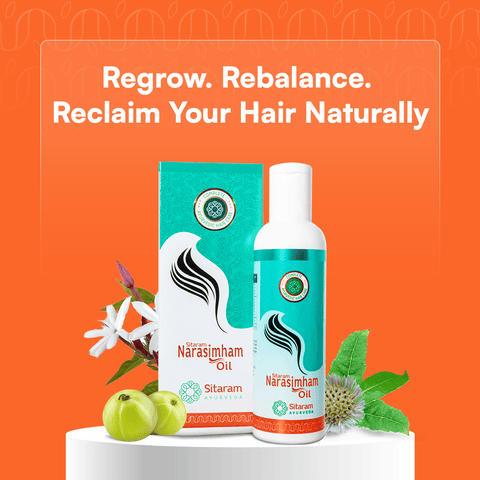
If you are searching for how to take care of low porosity hair, the key lies in improving how your hair absorbs moisture rather than increasing the number of products you use. Low porosity hair naturally resists water and nutrients, which makes most routines feel ineffective. Many people today are also turning to Ayurvedic solutions, including offerings from Sitaram Ayurveda, to address this issue more holistically by focusing on scalp health and natural nourishment.
You may notice your hair feels dry, products sit on the surface, or it takes hours to dry. With the right understanding and routine, low porosity hair can become soft, manageable, and healthy without excessive effort.
What Is Low Porosity Hair? (Expert Explanation)
What Does Low Porosity Actually Mean?
Low porosity hair refers to hair strands with tightly packed cuticles. The cuticle is the outermost layer of your hair, and in this case, it lies flat and compact, making it difficult for moisture, oils, and nutrients to penetrate inside.
Instead of absorbing hydration, the hair tends to repel it. This is why water often sits on the surface and products feel like they are not doing anything. While this may sound like a disadvantage, low porosity hair is often naturally strong and less prone to breakage when cared for correctly.
Signs You Have Low Porosity Hair
Identifying your hair type is the first step in understanding how to take care of low porosity hair. Common signs include:
- Water forms droplets on your hair instead of soaking in
- Hair takes a long time to become fully wet
- Drying time is unusually long after washing
- Products remain on the surface and cause buildup
- Hair feels greasy yet dry at the same time
Why Low Porosity Hair Is Hard to Manage
The Real Problem: Absorption, Not Hydration
One of the biggest misunderstandings about low porosity hair is assuming it lacks moisture. In reality, the problem lies in how the hair resists absorbing moisture. This creates a cycle where people keep adding more products, which only leads to buildup rather than improvement.
Common Mistakes People Make
Many hair care routines fail because they are not tailored to this hair type. Some frequent mistakes include:
- Using thick oils and heavy butters that sit on the surface
- Applying conditioners on dry hair without preparing it
- Avoiding heat completely, which prevents cuticles from opening
- Layering multiple products in an attempt to fix dryness
- Skipping clarifying washes, leading to product accumulation
Understanding these mistakes helps shift your approach from adding more to doing things more effectively.
How to Take Care of Low Porosity Hair (Step-by-Step Routine)
Use Heat to Open the Hair Cuticle
Heat plays a crucial role in caring for low porosity hair. Since the cuticles are tightly closed, warmth helps them lift slightly, allowing moisture to enter.
- Always rinse your hair with warm water before applying any product
- Use steam or wrap your hair in a warm towel during conditioning
- Avoid extremely hot water, as it can dry out the scalp
Choose Lightweight Moisturizers
Heavy products tend to sit on low porosity hair, so it is important to choose formulations that are light and water based.
- Look for ingredients such as aloe vera and glycerin
- Use leave-in products that feel light rather than creamy
- Focus on hydration rather than coating the hair
Apply Oils the Right Way
Oiling can be beneficial if done correctly. The method matters more than the quantity.
- Use lightweight oils such as jojoba or grapeseed
- Apply oil on slightly damp hair to lock in moisture
- Avoid applying thick oils directly to dry hair
Using an Ayurvedic Hair Oil For Hair Growth may help nourish the scalp naturally without creating excessive buildup on low porosity hair.
Clarify Regularly to Remove Buildup
Because products tend to accumulate on low porosity hair, regular cleansing is essential.
- Use a clarifying shampoo every two to three weeks
- Ensure your scalp is properly cleaned, not just your hair strands
- Follow up with a hydrating conditioner after clarifying
If scalp buildup and flakes are common concerns, an Anti Dandruff Hair Oil can support healthier scalp maintenance as part of your routine.
Deep Condition with Gentle Heat
Deep conditioning is most effective when combined with warmth.
- Apply conditioner after washing
- Use a warm towel or steam to help penetration
- Leave it on long enough for absorption rather than quick rinsing
Best Ingredients for Low Porosity Hair
Ingredients That Work Well
Choosing the right ingredients can make a noticeable difference in how your hair responds.
- Lightweight oils such as jojoba and grapeseed help moisturize without buildup
- Aloe vera supports hydration and improves absorption
- Glycerin attracts moisture into the hair
- Light proteins, such as silk protein, strengthen hair without making it stiff
Ayurvedic Ingredients That Support Hair Health
Ayurveda offers a natural and effective approach to managing low porosity hair.
- Bhringraj supports hair strength and growth
- Amla improves scalp health and adds shine
- Neem helps cleanse the scalp and reduce buildup
These ingredients work by improving scalp condition, which directly affects how well your hair absorbs nutrients. You can learn more about traditional herbs through this guide on Ayurvedic Hair Oil Ingredients.
Ayurvedic Approach to Low Porosity Hair Care
Why Ayurveda Is Effective
Ayurveda focuses on balancing the scalp and nourishing hair from the roots. Instead of masking the problem, it works on improving the hair’s natural ability to absorb and retain moisture.
This approach is especially beneficial for low porosity hair because it combines oiling, cleansing, and nourishment in a balanced way.
A Simple Ayurvedic Routine
An Ayurvedic routine is both practical and effective when followed consistently.
- Begin with a warm oil massage to stimulate the scalp
- Use gentle herbal cleansers that do not strip natural oils
- Maintain regular scalp care to prevent buildup
Brands like Sitaram Ayurveda follow these principles, offering formulations that align with traditional practices while addressing modern hair concerns.
Best Hair Care Routine Using Ayurvedic Principles
Pre Wash Care
Start with a warm oil massage to prepare the scalp and hair.
- Massage gently to improve circulation
- Leave the oil on for at least twenty minutes
Using an Ayurvedic Hair Oil before washing can help improve scalp nourishment while supporting moisture retention.
Cleansing Stage
Use a mild cleanser that removes buildup without drying the hair.
- Focus on cleaning the scalp thoroughly
- Avoid harsh shampoos that strip moisture
Post Wash Care
After washing, apply lightweight hydration to maintain balance.
- Use minimal product to avoid buildup
- Focus on sealing in moisture rather than layering
Weekly Care Ritual
A weekly routine helps maintain long term hair health.
- Deep condition with heat
- Include scalp massage to improve nourishment
Women experiencing thinning hair may also explore Hair Growth Oil For Women for additional scalp and hair support.
What to Avoid If You Have Low Porosity Hair
Ingredients to Avoid
Certain ingredients can make low porosity hair harder to manage.
- Heavy butters used in excess
- Silicones that block moisture entry
- Thick creams that sit on the surface
Habits to Avoid
Daily habits impact how well you succeed in how to take care of low porosity hair.
- Avoid applying products on dry hair
- Do not layer multiple products unnecessarily
- Do not skip regular cleansing routines
Upgrade Your Hair Care Routine with Ayurvedic Wisdom
If your current routine is not delivering results, shifting to a more balanced and natural approach can make a significant difference. Sitaram Ayurveda offers hair care solutions inspired by classical Ayurvedic practices, focusing on scalp nourishment, gentle cleansing, and long term hair health. You can also explore natural solutions through this detailed guide on Ayurvedic Medicine for Hair Loss or discover recommended oils in this article about the Top 10 Ayurvedic Hair Oil in India.
Choosing the right approach will not only help you understand how to take care of low porosity hair but also allow you to achieve stronger, healthier, and more responsive hair over time.
Disclaimer: This content is for informational purposes only and is not a substitute for professional medical advice. Always consult your healthcare provider.
Frequently Asked Questions
Q1. How often should you wash low porosity hair?
Washing your hair every five to seven days is ideal. This helps maintain cleanliness without causing excessive dryness. A clarifying wash every few weeks helps remove buildup.
Q2. How can you improve moisture absorption in low porosity hair?
Use warm water, apply products on damp hair, and include gentle heat during conditioning. These steps help open the cuticle and allow better absorption.
Q3. Can low porosity hair become easier to manage over time?
Yes, with the right routine and consistent care, low porosity hair becomes more responsive, softer, and easier to style.
Q4. Is oiling necessary for low porosity hair?
Oiling is beneficial when done correctly. Using lightweight oils and applying them on damp hair ensures better results.
Q5. Is low porosity hair a bad hair type?
No, it is not a bad hair type. It is naturally strong and less prone to damage, but it requires a specific approach to care.
Q6. Will using too many products damage low porosity hair?
Using too many products can lead to buildup, which prevents moisture from entering the hair and makes it feel heavy and dull.
Q7. What is the best routine for low porosity hair?
The best routine includes warm water rinsing, lightweight hydration, proper oil application, and regular cleansing to prevent buildup.
Q8. Why does low porosity hair feel dry even after conditioning?
Because the cuticles are tightly closed, moisture remains on the surface instead of penetrating the hair shaft.