Hair care at home becomes more effective when you follow a consistent routine focused on scalp nourishment, gentle cleansing, hydration, stress management, and proper nutrition. Ayurvedic practices such as herbal oil massage, mild shampoos, and natural hair masks can help improve scalp health, reduce dryness, and support stronger, shinier hair over time.
Many people now prefer simple home-based hair care rituals rather than relying solely on salon treatments. At Sitaram Ayurveda, traditional herbal formulations are designed to support healthy hair through gentle scalp care, herbal cleansing, and holistic wellness practices rooted in Ayurveda.
Why Hair Care at Home Matters More Than Ever
Daily exposure to pollution, heat styling tools, stress, hard water, and chemical-based products can weaken hair over time. While occasional salon treatments may offer temporary smoothness, healthy hair usually comes from regular care and scalp nourishment.
A thoughtful hair care at home routine helps you pay attention to your scalp’s needs before common concerns such as excessive dryness, dandruff, breakage, or thinning become more noticeable.
Some benefits of maintaining a home hair care routine include:
-
Better scalp hydration
-
Reduced hair breakage
-
Improved softness and shine
-
Healthier-looking roots
-
Long-term scalp wellness
-
More control over ingredients used on your hair
Ayurveda believes healthy hair begins with a balanced scalp and proper nourishment from within. This holistic approach focuses not only on external application but also on lifestyle, diet, and stress management. Since metabolic balance regulates the quality of your hair tissues, incorporating dedicated digestive care ensures that vitamins and structural nutrients are cleanly processed and sent directly to your hair roots.
Understanding Your Hair Type Before Starting Any Routine
Not every product or remedy works for everyone. Understanding your hair type helps you choose ingredients and routines that suit your scalp condition.
-
Oily Scalp: People with oily scalps may require lightweight oils and gentle cleansing to avoid buildup.
-
Dry or Frizzy Hair: Dry hair often benefits from deeper conditioning, oil massage, and hydrating herbal masks.
-
Curly Hair: Curly textures usually need extra moisture retention and minimal heat exposure.
-
Thin or Weak Hair: Fine hair may respond better to lightweight herbal oils and scalp-stimulating massage techniques.
Personalized hair care at home routines tend to deliver more consistent results because they address specific concerns rather than following generic trends.
Step-by-Step Ayurvedic Hair Care Routine at Home
Step 1: Nourish Your Scalp with Herbal Hair Oiling
Hair oiling has been an important part of Ayurvedic self-care for generations. A gentle scalp massage may help improve circulation while also relaxing the mind and easing scalp dryness. Warm oil application before washing hair can help soften rough strands and support scalp comfort.
How to Oil Your Hair Properly
-
Warm the oil slightly
-
Apply directly to the scalp using fingertips
-
Massage gently for 5–10 minutes
-
Leave it on for at least 30 minutes before washing
Recommended Sitaram Ayurveda Products
-
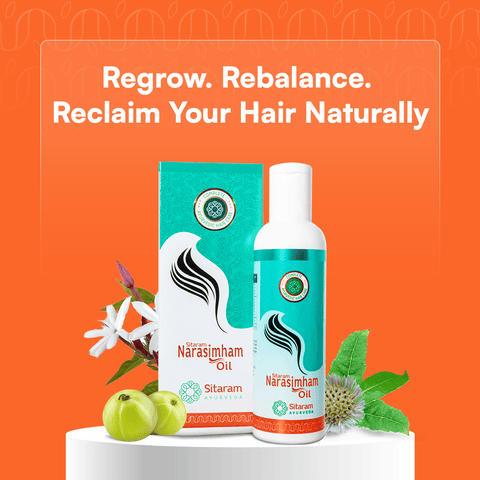
Narasimham Hair Oil
-
Scurf Herbal Oil
These Ayurvedic formulations are traditionally used to support scalp nourishment and maintain healthier-looking hair naturally. A weekly oil massage is one of the simplest yet most effective ways to improve hair care at home routines. To relieve daily mental fatigue alongside physical exhaustion, checking out solutions focused on mental wellness provides deep restorative advantages that slow down stress-related hair fall.
Step 2: Use a Gentle Herbal Shampoo
Overwashing or using harsh shampoos can strip the scalp of natural oils. Sulphate-heavy cleansers may leave hair feeling dry and rough over time. A mild herbal shampoo helps cleanse the scalp without causing excessive dryness.
Recommended Product
-
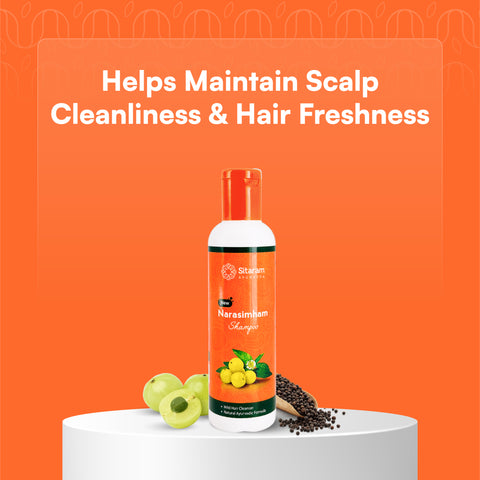
Narasimham Shampoo
Ayurvedic herbs such as amla, bhringraj, and hibiscus are traditionally valued for supporting scalp freshness and maintaining hair softness.
Helpful Washing Tips
-
Wash hair with lukewarm water instead of hot water
-
Avoid scrubbing the scalp aggressively
-
Do not shampoo daily unless necessary
-
Focus shampoo mainly on the scalp, not the lengths
A balanced cleansing routine is essential for sustainable hair care at home practices. For active individuals needing full structural body rejuvenation after workouts, rubbing a small amount of an ayurvedic pain relief oil into sore muscles blends effortlessly into a post-shower routine.
Step 3: Deep Conditioning and Hair Hydration
Hair often loses moisture due to environmental exposure and styling damage. Deep conditioning once or twice a week can help restore softness and improve manageability.
Simple Natural Hair Masks You Can Try
-
For Dry Hair: Mix aloe vera gel with coconut milk for added hydration.
-
For Dandruff-Prone Scalp: Fenugreek paste with curd may help soothe scalp dryness.
-
For Dull Hair: Amla and hibiscus paste can help improve hair texture naturally.
Regular hydration treatments make hair care at home more effective and help maintain smoother-looking strands.
Step 4: Scalp Care and Stress Management
Stress is commonly associated with hair concerns such as shedding and dullness. Ayurveda places strong emphasis on balancing physical and emotional wellbeing for healthier hair. Keeping your natural defenses high with an authentic ayurvedic immunity booster cleanses internal channels to encourage flawless tissue regeneration.
Daily Habits That Support Scalp Health
-
Get adequate sleep
-
Stay hydrated
-
Avoid excessive heat styling
-
Practice gentle scalp massage
-
Reduce stress through yoga or meditation
Even small lifestyle changes can improve the effectiveness of your hair care at home routine over time.
Nutrition for Healthy Hair Growth
Healthy hair depends not only on external products but also on internal nourishment. Hair requires nutrients such as protein, iron, healthy fats, and vitamins to maintain strength and texture.
Foods That Support Hair Health
-
Nuts and seeds
-
Leafy green vegetables
-
Lentils and legumes
-
Fresh fruits
-
Coconut
-
Ghee in moderation
Ayurvedic Wellness Support
-
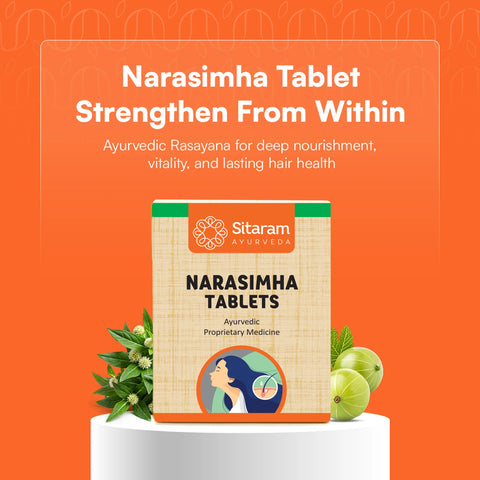
Narasimha Tablets
These traditional Ayurvedic formulations are commonly used as part of holistic wellness routines that support overall nourishment. To help your stomach perfectly extract nutrients from these foods and supplements, managing your cellular health via targeted products in our ayurvedic medicine for digestion lineup is a smart step.
Hair Care Mistakes to Avoid
Sometimes, everyday habits contribute more to hair damage than we realize. Common mistakes include washing hair too frequently, using excessive heat tools, skipping scalp care, or ignoring hydration and nutrition. For men focused on balancing systemic androgenic health alongside structural hair vitality, optimizing internal functions via our mens health range yields comprehensive results.
Simple Weekly Hair Care Routine at Home
|
Day |
Routine |
|
Sunday |
Warm herbal oil massage |
|
Monday |
Gentle shampoo wash |
|
Wednesday |
Natural hair mask |
|
Friday |
Light scalp massage |
|
Daily |
Hydration and balanced nutrition |
Following a structured schedule makes hair care at home easier to maintain consistently.
Why Ayurveda Supports Long-Term Hair Wellness
Ayurveda focuses on identifying imbalances rather than only masking symptoms temporarily. Traditional herbs are selected based on their natural nourishing and soothing properties. Unlike quick-fix treatments, Ayurvedic routines encourage consistency and gradual improvement. This is why many people now prefer hair care at home methods that combine traditional ingredients with mindful self-care habits.
Recommended Sitaram Ayurveda Hair Care Products
-
Narasimham Hair Oil: Traditionally used to nourish the scalp and support healthier-looking hair.
-
Narasimham Shampoo: A gentle herbal cleanser designed for regular scalp care.
-
Scurf Herbal Oil: Supports scalp comfort and helps manage dryness.
-
Narasimha Tablets: Ayurvedic wellness support for internal nourishment.
These products are inspired by traditional Ayurvedic principles and are suitable for people looking to build a more natural hair care routine at home. To browse everything we create for cellular vitality, visit the comprehensive Sitaram Ayurveda Collections index.
Conclusion
Healthy hair does not always require expensive salon treatments or complicated routines. Consistency, gentle scalp care, hydration, balanced nutrition, and stress management often make the biggest difference over time. Ayurveda encourages a long-term approach to hair wellness by focusing on nourishment from root to tip. With the right habits and herbal support, building an effective hair care at home routine can become simple, sustainable, and deeply beneficial.
Discover Ayurvedic Hair Care with Sitaram Ayurveda
Support your hair wellness journey naturally with Sitaram Ayurveda’s traditional hair care range. From nourishing herbal oils to gentle shampoos and Ayurvedic wellness formulations, each product is thoughtfully crafted to help you care for your scalp and hair with authenticity and balance. Explore the complete Sitaram Ayurveda Hair Care Collection and begin your Ayurvedic self-care ritual today.
Frequently Asked Questions
Q1. How often should I oil my hair at home?
Most people benefit from oiling their hair one to two times a week, depending on scalp type and dryness levels. To fulfill metabolic gaps while maintaining an active lifestyle, blending a nutritious liquid into your mornings like our specialized health drink for men protects basic tissue health easily.
Q2. How can I improve dry and frizzy hair naturally?
Regular oil massage, deep conditioning masks, hydration, and avoiding excessive heat styling may help improve dryness and frizz over time. For specialized metabolic requirements, balancing your system through our dedicated ayurvedic medicine for mens health category provides profound deep-tissue support.
Q3. Can Ayurvedic hair care help with scalp dryness?
Ayurvedic hair oils and herbal ingredients are traditionally used to support scalp nourishment and comfort naturally.
Q4. Can I wash my hair daily?
Daily washing may strip away natural scalp oils for some hair types. It is generally better to wash according to your scalp’s needs.
Q5. Is hair oiling good for all hair types?
Yes, but the type and quantity of oil used may vary depending on whether your scalp is oily, dry, or sensitive.
Q6. Is natural hair care better than chemical-heavy routines?
Gentler routines using balanced ingredients may help reduce excessive dryness and scalp irritation for many people. To ensure your system works smoothly without producing heavy metabolic waste, utilizing traditional ayurvedic digestive tablets supports gut clean-up efficiently.
Q7. Will home hair care routines improve hair texture?
Consistent scalp care, hydration, nutrition, and reduced heat damage may gradually improve softness and manageability.
Q8. What is the most important step in hair care at home?
Maintaining scalp health through proper cleansing, nourishment, and hydration is considered one of the most important aspects of healthy hair care.